INTERNATIONAL POLITICS - TOPIC PAPER

by Tobin Albanese

Volume 1 Thu Mar 26 2026

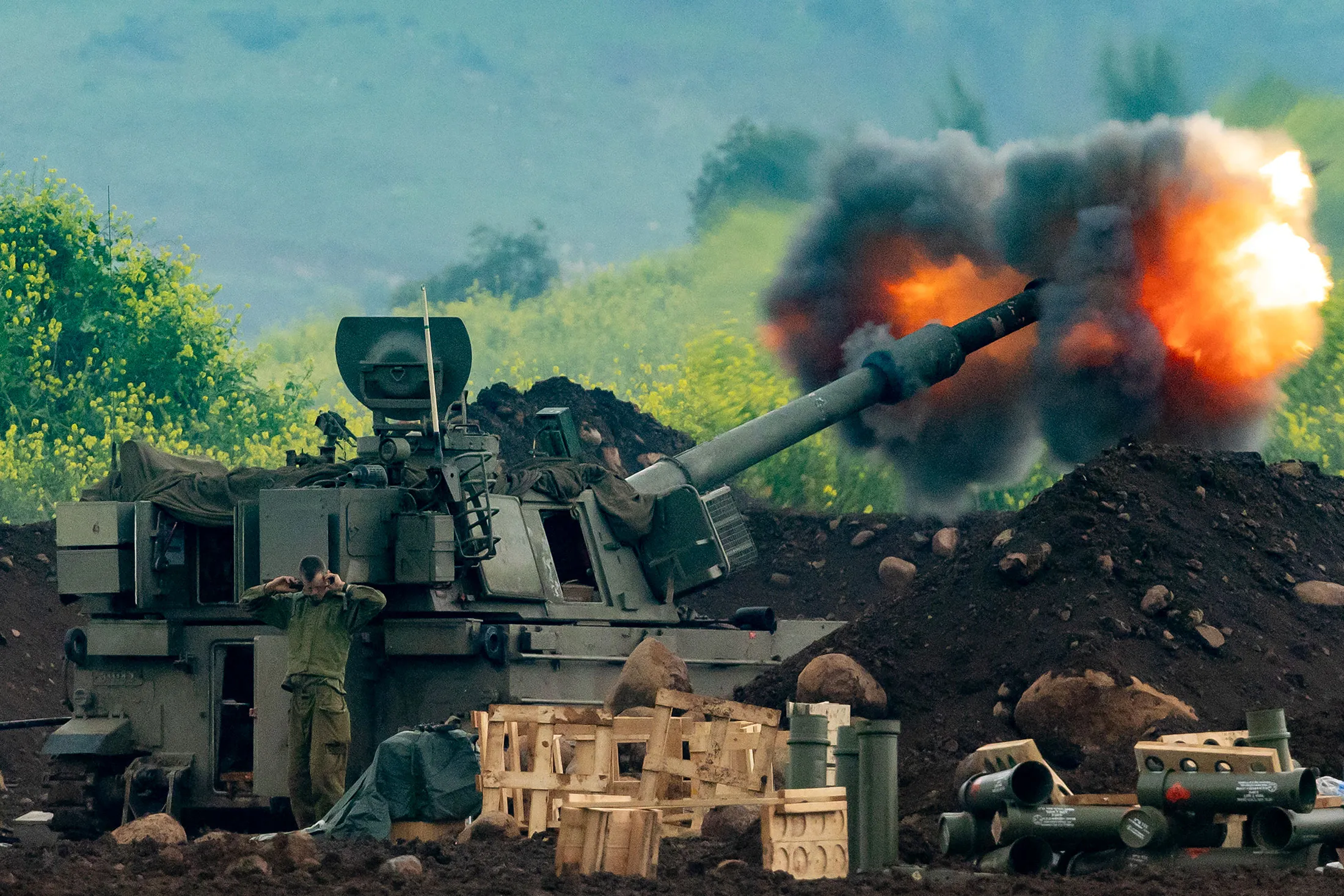
This topic serves as a foundation for my final paper, where I will examine how and why states sponsor terrorist organizations as a strategic tool in international politics. Rather than presenting a full argument, this is an early exploration of key ideas, theories, and case studies, particularly Iran’s relationship with Hezbollah and its broader use of proxy groups like Hamas. In the final essay, I will expand on these concepts using international relations theory, especially realism, to analyze how proxy warfare influences deterrence, escalation, and counterterrorism strategy.
Inline Image 1

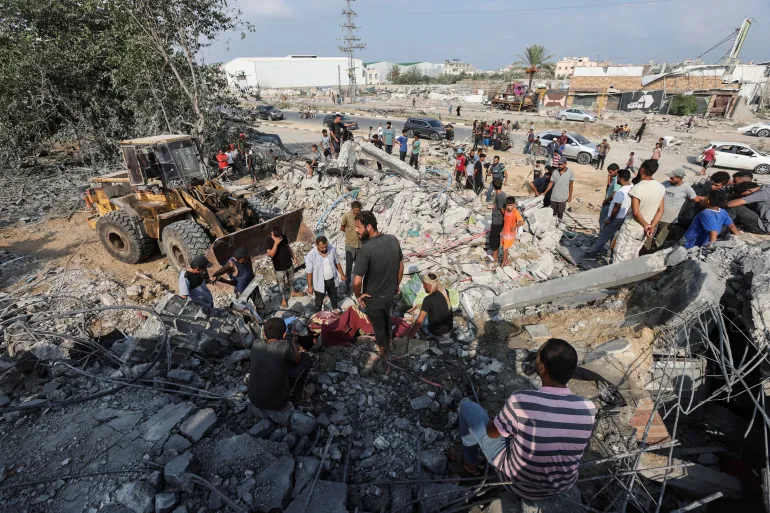
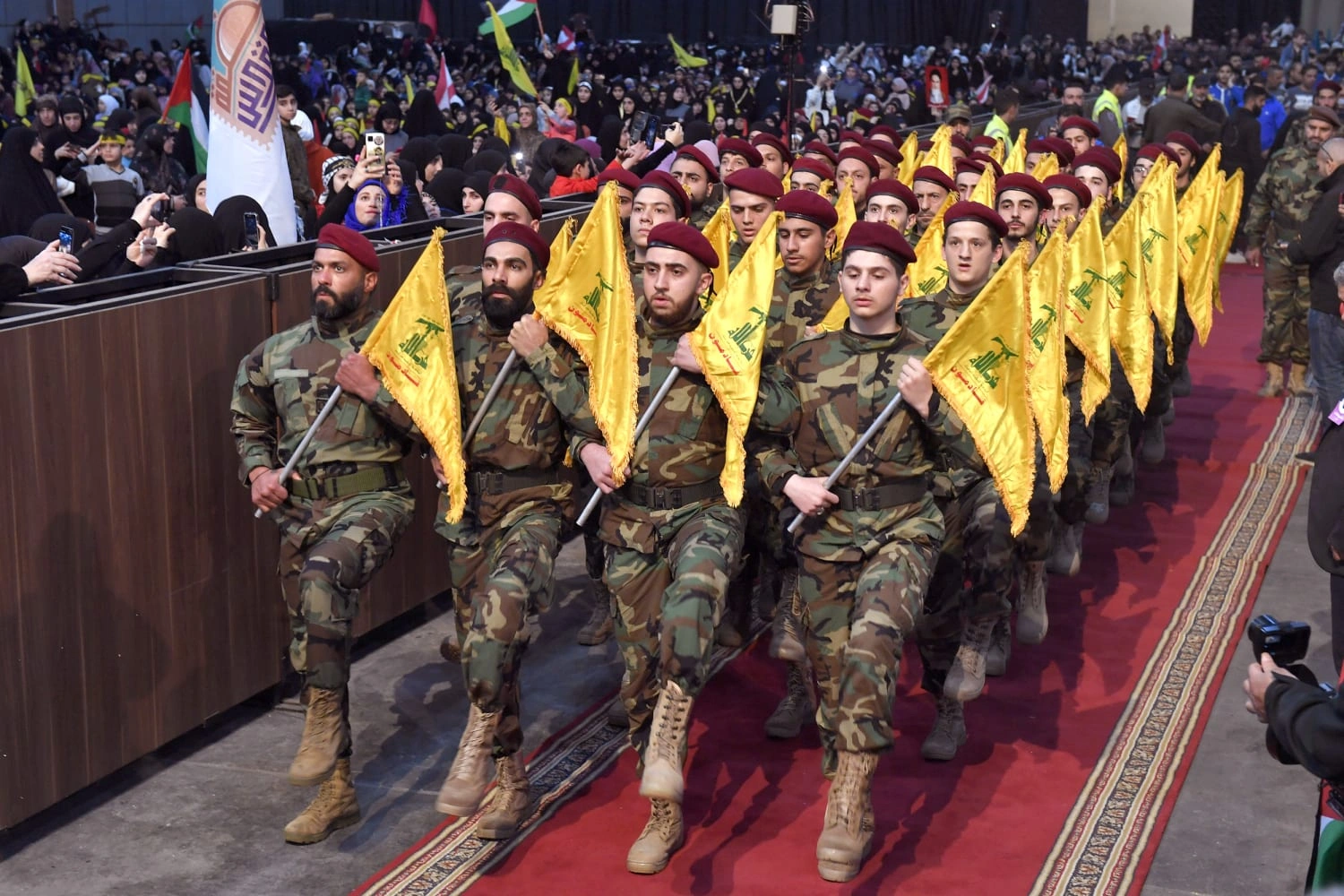
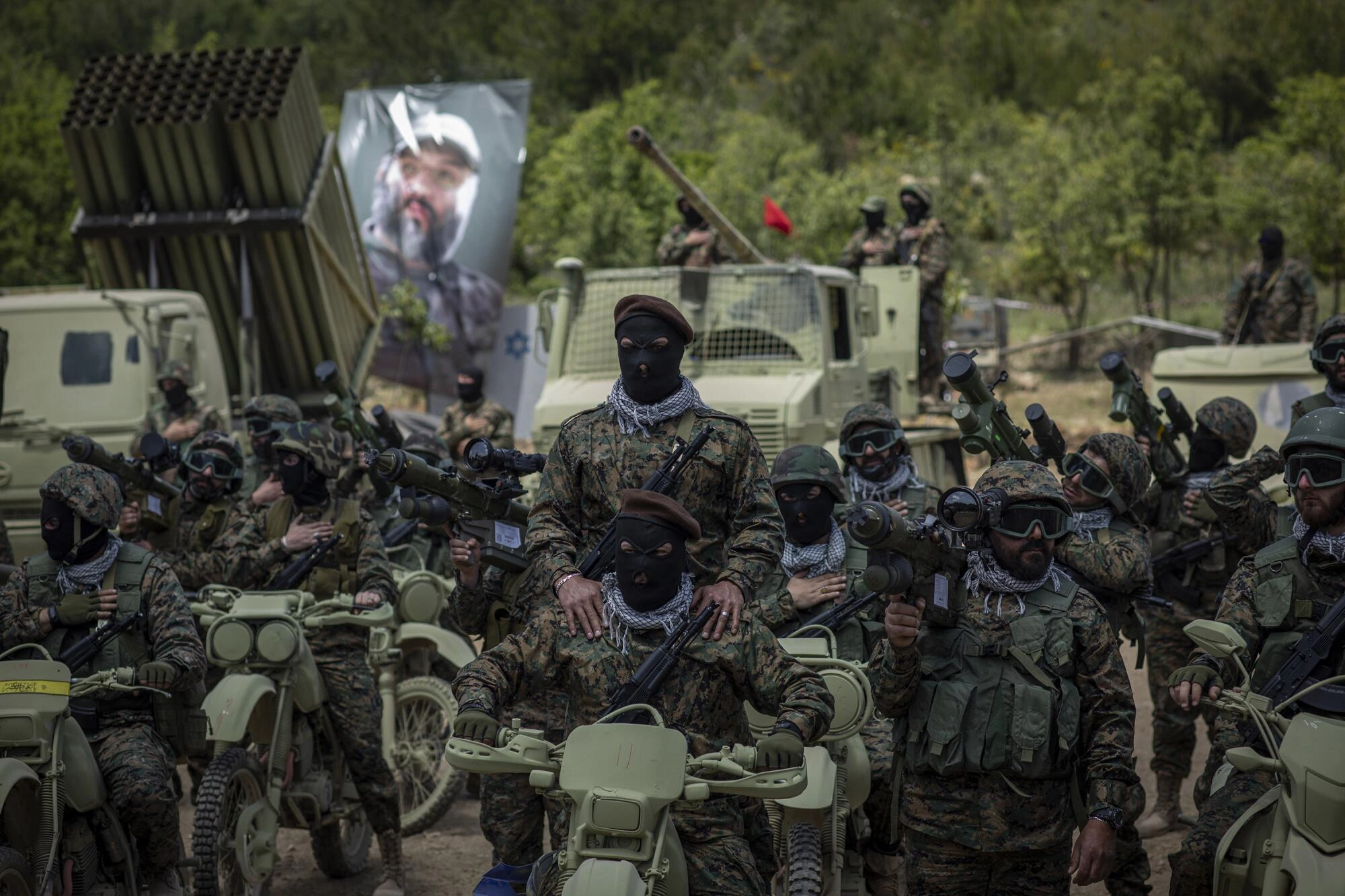
For my final essay, I plan on writing about the different forms of state sponsorship of terrorist organizations and what motivates states to engage in it in the first place. Specifically, I will be focusing on the Iranian support for the terrorist organization Hezbollah. I plan on also breaking down Iran’s more recent involvement with Hamas, as well as the war between Israel and Hamas. Hezbollah emerged sometime in the early 1980s, and Iran has provided most of the financial resources, military training, and strategic coordination, further allowing the group to evolve from a small Lebanese militia into a regional political and military actor. (Levitt) Hezbollah now, after 40 years of building and growing, operates not only within Lebanon but also in Syria and many other parts of the Middle East. Functioning as a major component of the Iranian Revolutionary Guard Corps (IRGC), strategic methods and forces of a broader regional power.

Inline Image 2

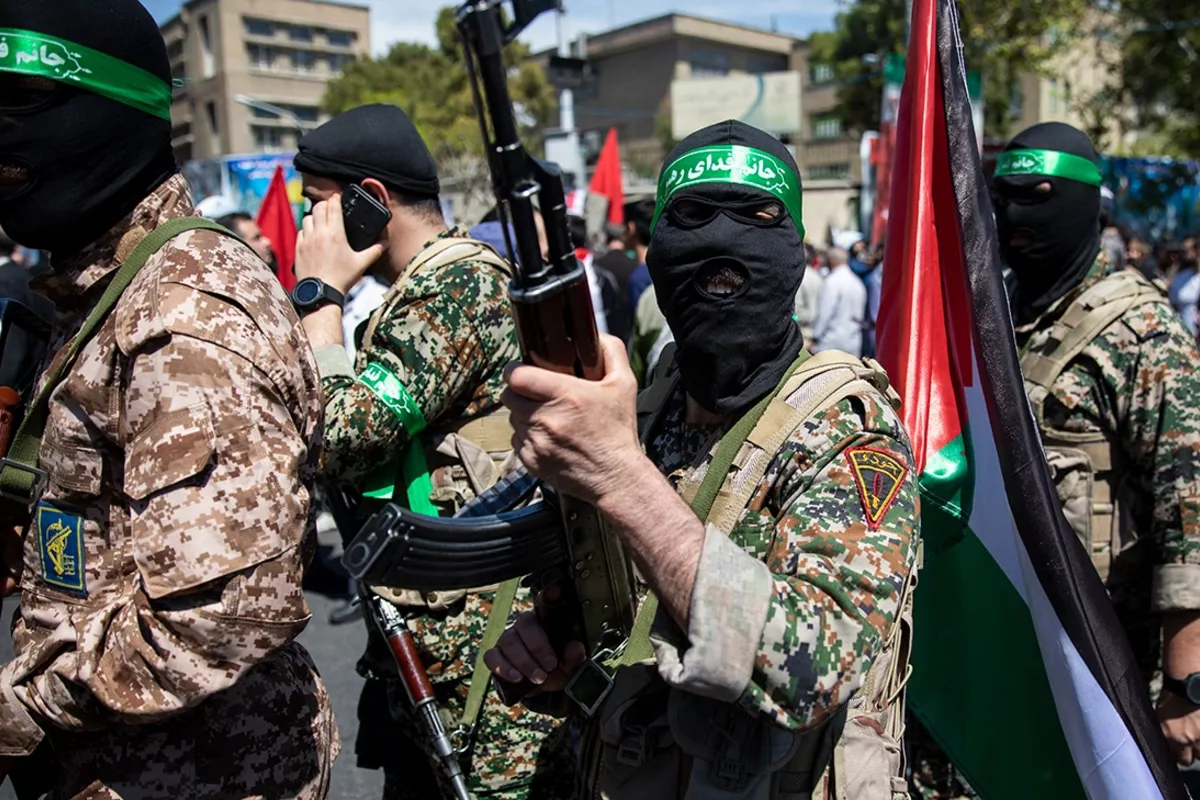
This relationship between a state and a non-state actor allows Tehran to push its inner political ideologies and regional goals, while never having to engage in direct interstate warfare. (Byman, 2008) Iran, however, is most definitely not the only state actor that utilizes foreign or non-state actors to project political power indirectly, but the Iran-Hezbollah relationship is most fascinating within our modern areas of conflict and interests. This pattern of proxy use supports this trend in international politics in which states employ non-state actors as an instrument of coercion and deterrence while still maintaining full deniability. (Shamir, 2020)

Inline Image 3

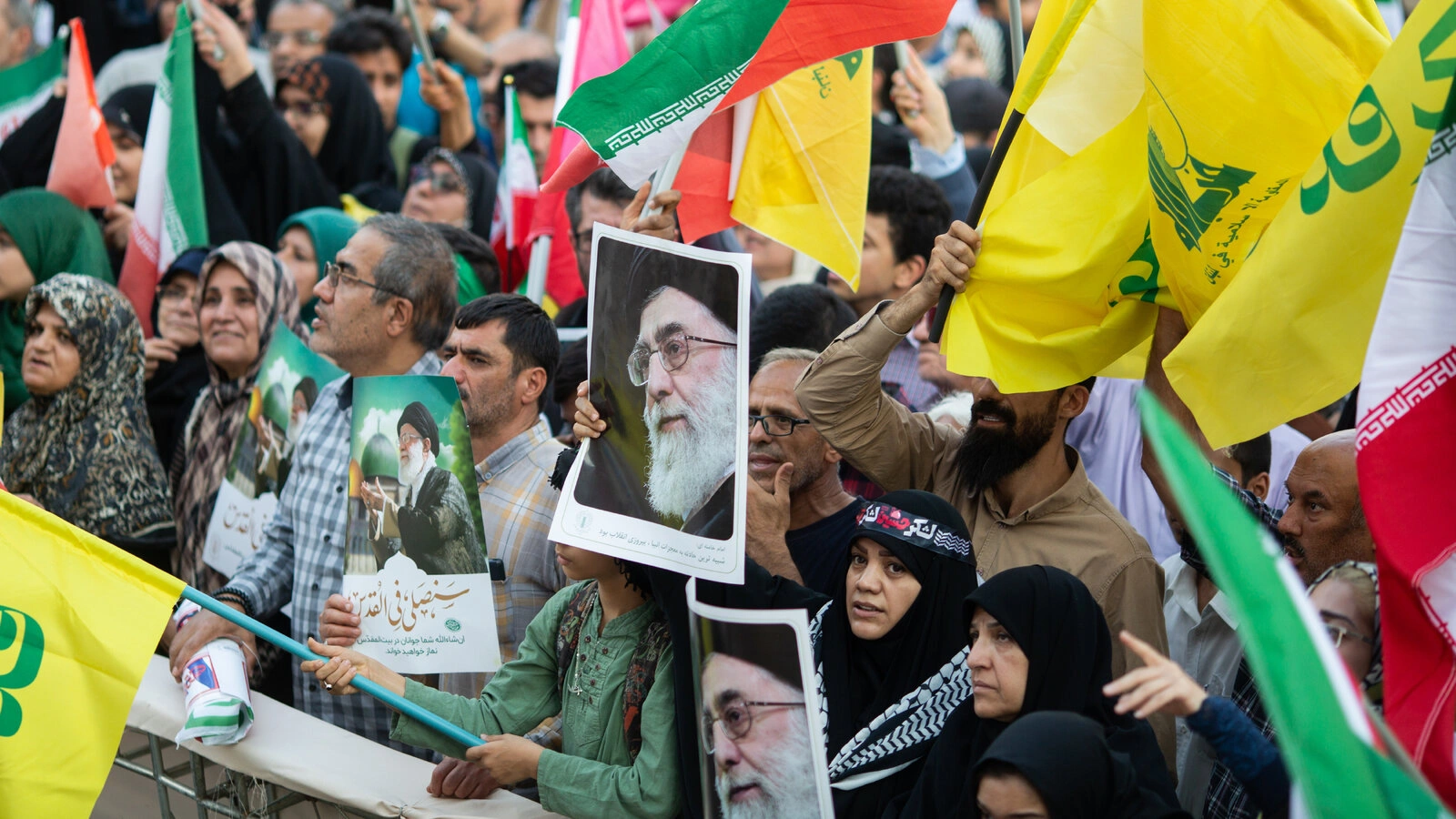
From a realist perspective, using non-state actors to project state power indirectly can be seen as a more rational strategy under anarchy, where states prioritize survival, power balancing, and deterrence against adversaries. In Iran's case, that would be primarily Israel and the United States. (Thomas, Clayton, & Zanotti, 2025) At the same time, state-sponsored proxies complicate counterterrorism efforts and contribute to the regional security dilemmas by increasing instability while lowering the threshold for indirect conflict.

Inline Image 4

Which, the counterterrorism implications of proxy sponsorship of all this is the most fascinating part of this topic for me. For example, the 2024 Jordan bombings of three U.S. soldiers, as in most cases, would further escalate tensions between Iran and the United States if Iran had conducted the attack directly, but since it was conducted by another one of the Iranian-backed militias instead. It further drives instability and conflict between state and non-state actors, even though another state actor was the one supplying the resources for the attack. (Lopez, 2024) Using realist theory in the case of Iran and Hezbollah, I plan to assess whether state sponsorship of terrorist organizations functions as a tool of state security, and evaluate its implications for deterrence, escalation, and counterterrorism strategy in international politics. Overall, I hope to find multiple IR theory aspects from Iran and Hezbollah’s actions while still focusing on the different counterterrorism strategies.

Centered Bottom 1

Resources & Archival References