POLITICAL SCIENCE - BALLOT RESEARCH PAPER
by Tobin Albanese
Volume 3 Mon Mar 23 2026
Proposition 66 seeks to reform California’s death penalty system by accelerating appeals and executions. This measure raises critical questions about justice, efficiency, and whether speeding the process risks undermining fairness and due process.
Issue
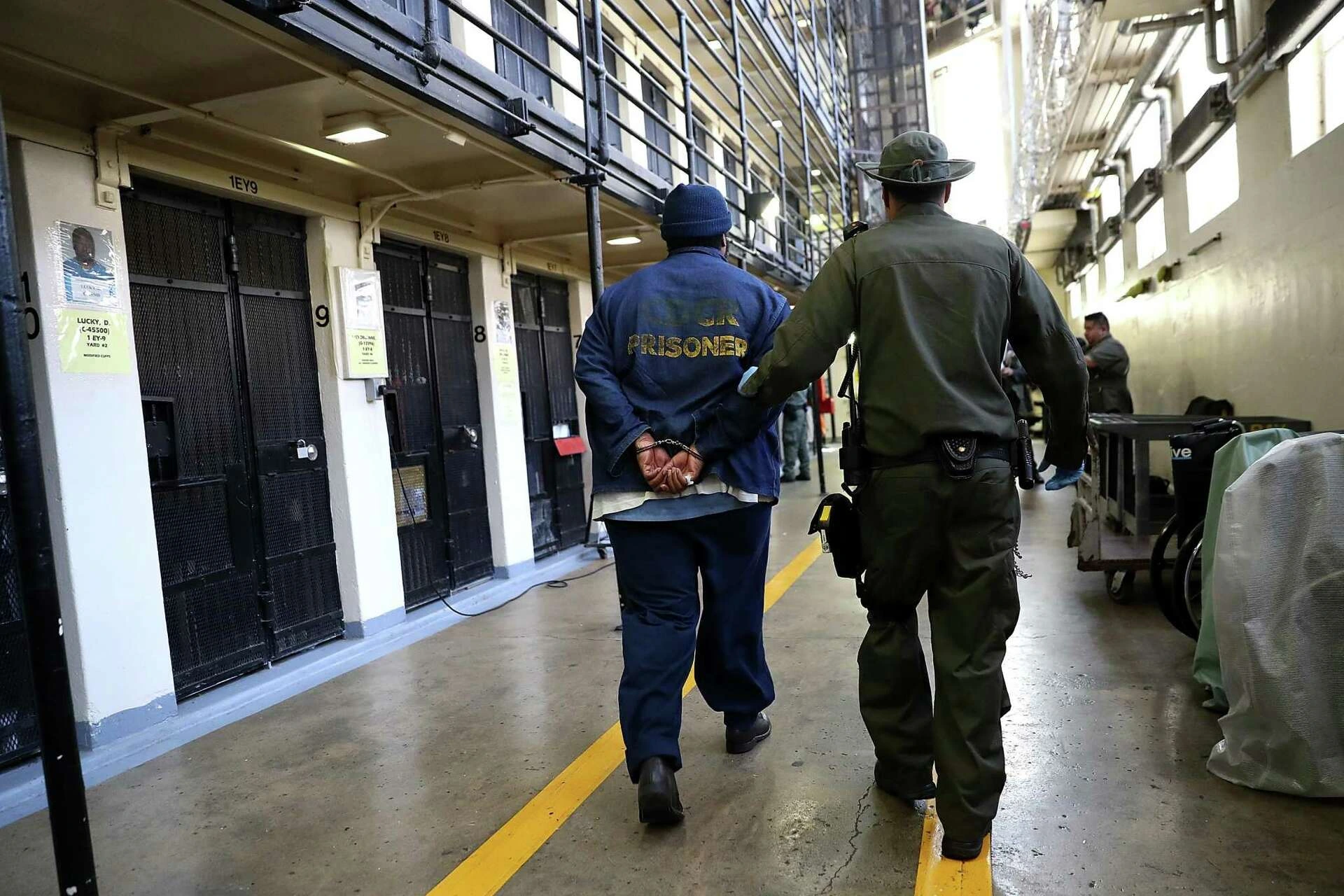
Proposition 66, passed during the 2016 election cycle, was created to address a major problem within California’s death penalty system. From extreme delays in carrying out capital punishment, to legal repercussions, and the fiscal side of death penalty convictions. While the death penalty remains legal, in practice it has become largely ineffective and costly. Inmates often spend decades on death row as their cases move slowly through appeal processing and trials. This raised major concerns with the citizens of California, not only about the cost of housing, food, and resources but also about whether the system itself was even functioning as a meaningful form of punishment.1 At the core of Proposition 66 was brought to our attentions due to a broader issue within our current criminal justice system, on balancing fairness with efficiency when dealing with the most serious of crimes and criminals. A system that prioritizes due process is completely necessary, especially in death penalty or life-term sentences, but when that same process stretches across decades, costs millions of dollars, and effectively undermines our justice system, it begins to undermine the purpose of punishment altogether. I decided to go with Proposition 66 because it shows how a system can become so slow and complex that it fundamentally loses its ability to actually enforce consequences in a timely and credible way.
History
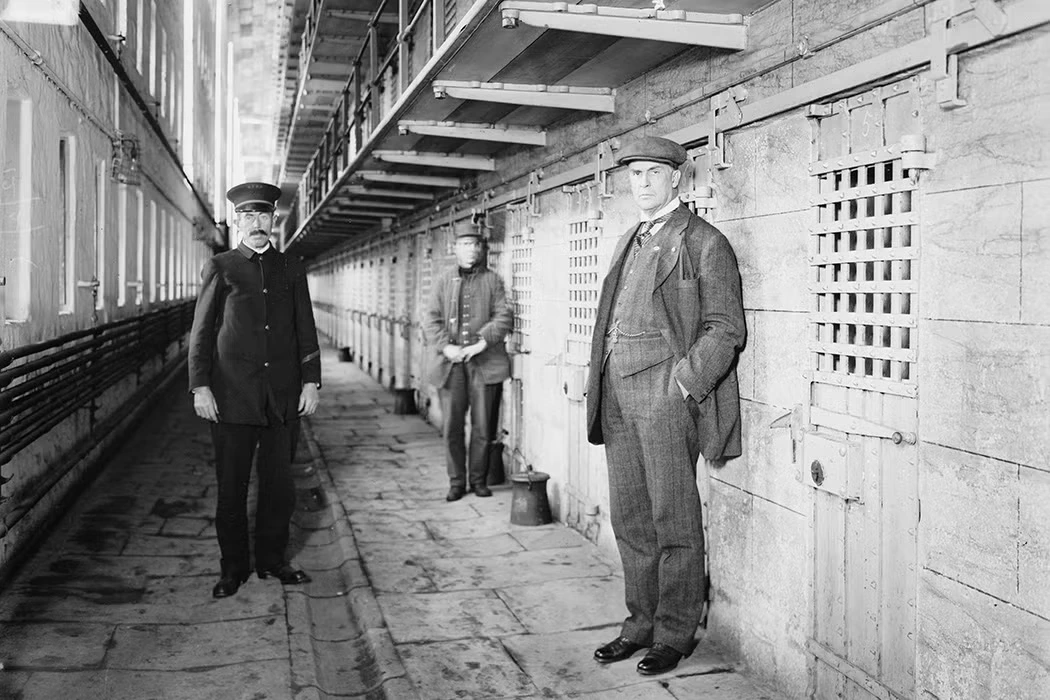
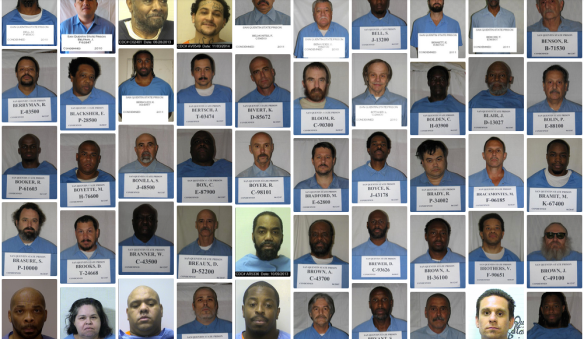
California’s death penalty system has existed since 1851 under the Criminal Practices Act. It was later altered within the methodologies and consensus behind how capital punishment would be imposed and the reasons behind it. On paper, the state maintains capital punishment as a legal consequence for the most horrendous crimes. In practice, however, the system has been defined by an accumulation of factors and delays. Throughout time, California has built one of the largest death row populations in the United States, currently holding more than a quarter of the country's entire death row population. Yet carried out the fewest executions compared to other states. This major gap between sentencing and enforcement became a central issue leading up to Proposition 66, and created the division between citizens of California. The Proposition itself barely passed with 51 percent voting yes and 49 percent voting no.
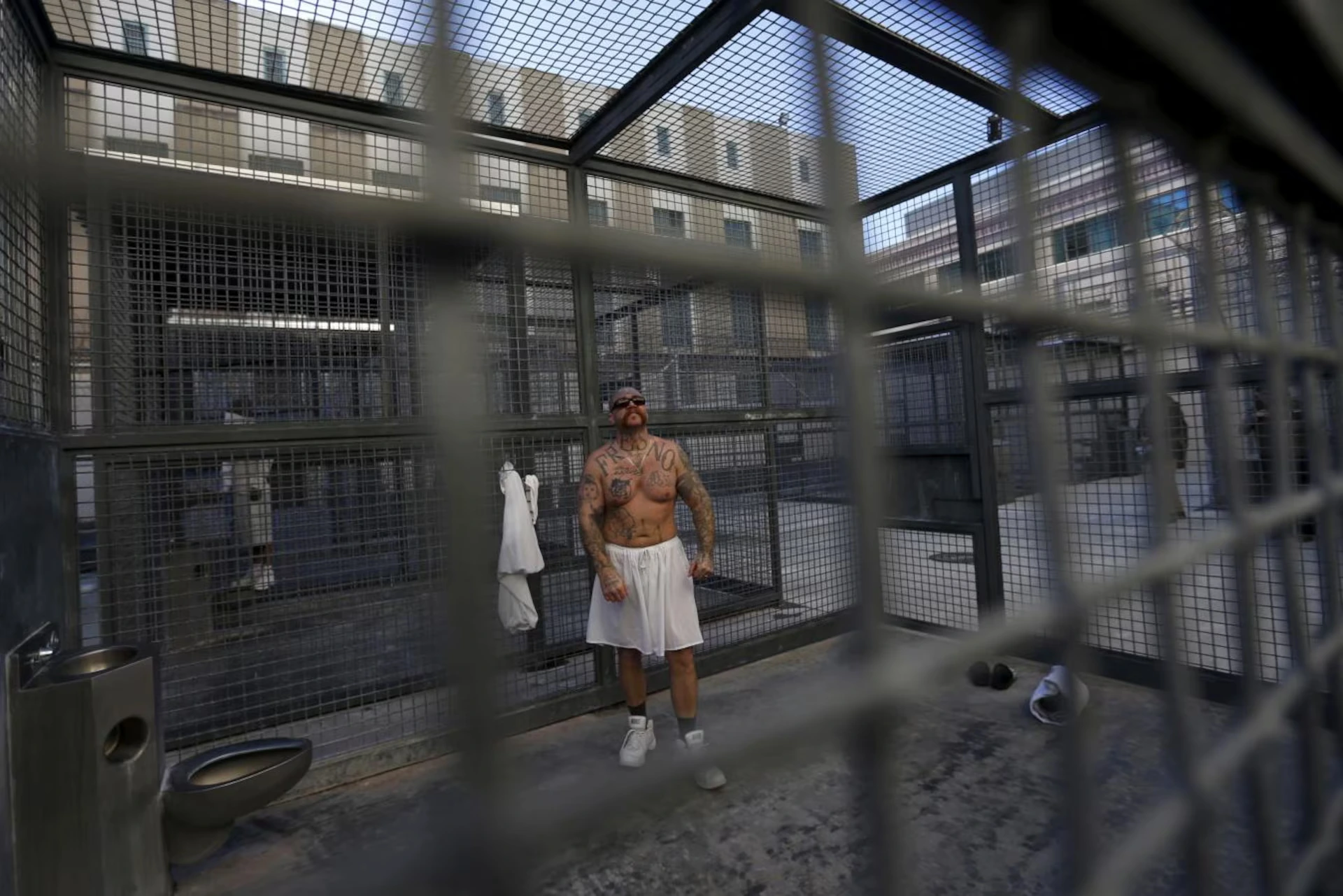
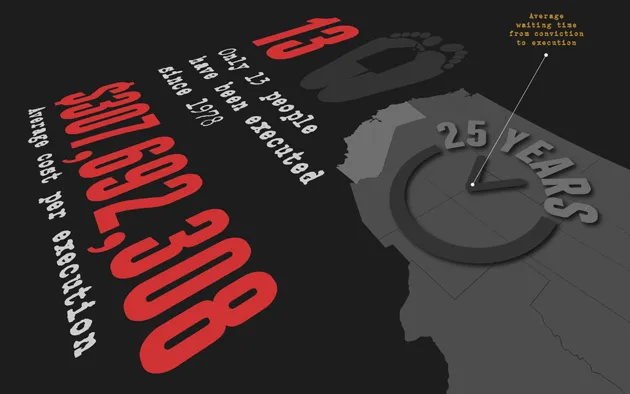
A major cause of this division was primarily rooted in the appeals process and the time it takes for capital punishment to go through due process. Death penalty cases are notorious for requiring multiple layers of review, including direct appeals and habeas corpus petitions, which are mainly intended to protect against wrongful convictions. From what I have learned, this way of due process is completely necessary; no wrongfully convicted individual should be wrongfully accused, let alone executed for that action. I see the dividing sides of our state’s people behind this; however, it interrupts and breaks down the efficiency and ethical dilemmas regarding those who have actually committed these serious crimes and who deserve this form of capital punishment. Even with these safeguards being important, they also contributed to a system where cases could take decades to resolve. In many instances, and the most common outcome before any outcome is ever reached is that those convicted remain on death row for 20 to 30 years. This is what created the growing backlog within the courts and led to placing significant pressure on the overall legal system to manage these cases more efficiently and accurately.
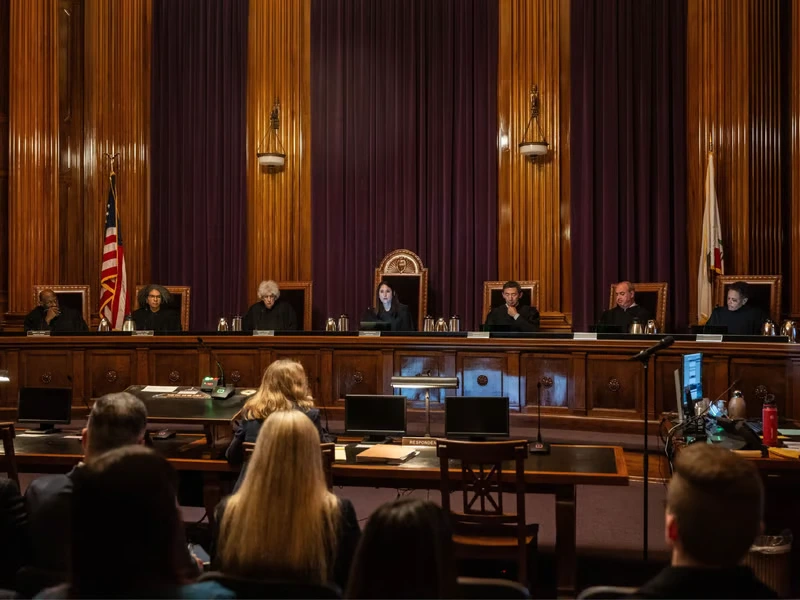
In addition to these continuous delays, we have to take into consideration the financial cost of maintaining this system and how it has become another major concern. Housing inmates on death row, extended legal appeals, and maintaining specialized court processing required substantial public resources and tax-allocated financial systems. With over 180 million dollars annually, each inmate with a conviction of the death penalty costs the taxpayers $90,000 or more per year. This multi-billion-dollar system is what fundamentally breaks down the longer due process, and makes citizens desire a more cost-effective and efficient method to sustain this legal punishment. Many individuals started to point out that the system itself was not only ineffective but also the unsustainability this system is economically. Especially given how rarely executions were actually being carried out in the state of California. These rising concerns are what contributed to the broader public debate on whether or not the death penalty in California should be reformed or completely eliminated. Many also discussed transferring these convicted individuals to other states, which have a more efficient process, saving the California taxpayer a tremendous amount each year while ensuring that the legal punishment itself was being executed correctly.
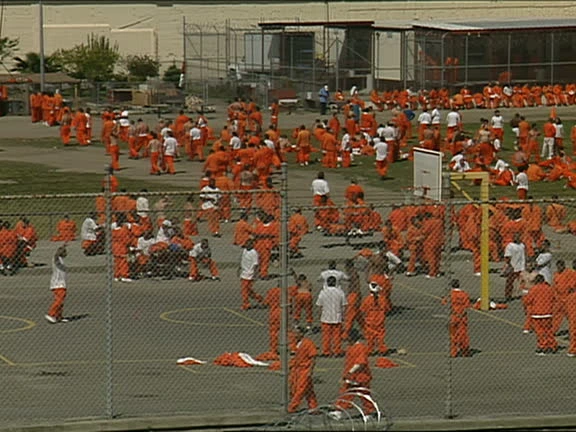
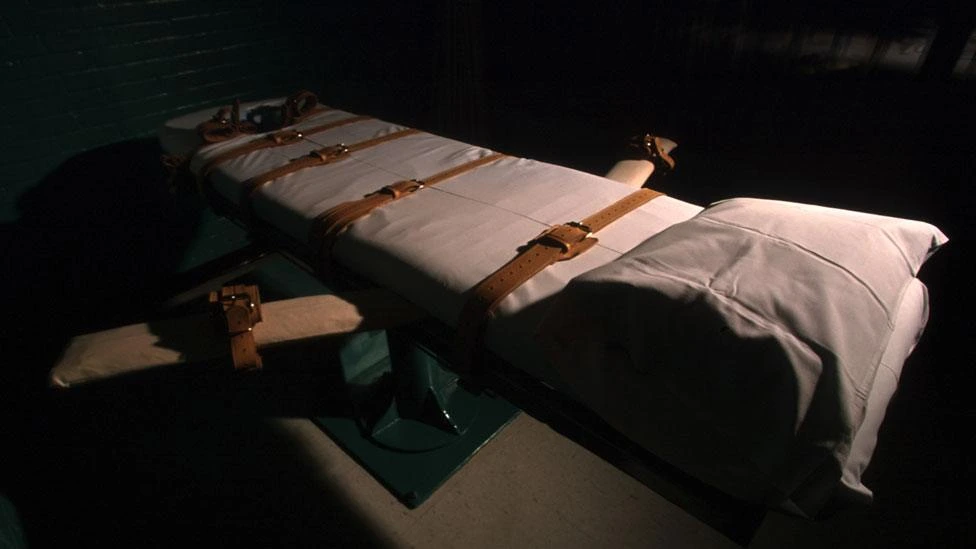
By 2016, this debate finally reached its ultimatum. Two competing ballot propositions were introduced during this election cycle because of this debate. Proposition 62, which ultimately aimed to abolish the death penalty system entirely from the state of California, and Proposition 66, which looked to keep the system intact but reform and speed up the existing methods being used today. Although both happened to be very close in vote percentage-wise, many Californians still wanted capital punishment, but to reform it in a way that it was being implemented correctly and more efficiently. This outcome of Proposition 62 failing but Proposition 66 passing truly reflects the divided public interest, but also suggests that voters were never entirely ready to remove the death penalty completely. The passing of Proposition 66, however, marks a move forward in restoring efficiency and credibility to California’s death penalty system. By targeting the appeals process itself and expanding the capacity of courts to handle these serious cases. This proposition aimed to reduce the major backlog and ensure that sentences were being carried out in a more reasonable timeframe. However, the changes also raised many concerns about whether speeding up the process could come at the cost of thorough legal review, setting the stage for more major debates in California politics that are still ongoing between justice systems and due process today.
Description

Proposition 66 focused on reforming the structure of California’s death penalty system rather than expanding or eliminating. How Proposition 62 failed to eliminate the death penalty, it projected Proposition 66 to come into place to reform the current capital punishment process in the state of California. The primary goal of Proposition 66 was to reduce the extremely long delays that had developed over time, specifically in the appeals process, but also in the overall conjunction of the process entirely. Instead of changing who qualifies for death penalty cases now, Proposition 66 targets how these cases move logistically through our legal system and how long it takes for an outcome to finally be evaluated. One of the more significant changes introduced by Proposition 66 was the restructuring of the appeals process from top to bottom. The changes placed stricter time limits on how long courts must review the cases and aimed to reduce the backlog of appeals in handling habeas corpus petitions, by expanding the role of lower courts to further handle these petitions. These are fundamentally the main sources of delays in capital punishment cases.6 By allowing more courts to be involved during the review process, the system was intended to move cases forward more efficiently rather than relying heavily on a single court system to have total control over the entire process.
In addition, Proposition 66 required that attorneys who are appointed to handle death penalty appeals must meet certain qualifications while also increasing the pool of available legal counsel. The California legislative system did this to address delays caused by shortages of qualified attorneys willing or able to take on these complex cases.7 Overall, Proposition 66 itself, never aimed to change any of the current legal standards for capital punishment, but instead it’s an attempt, or proposal in this case, to fix what many saw as a system that became extremely flawed and inefficient. By focusing more on time limits and more legal resources, the proposition aimed to make sure that capital punishment sentences were carried out in a more reasonable and consistent timeframe while also advocating for a cost-effective approach at the same time.
Analysis

During the voting cycle for Proposition 66, we saw a major split decision vote, with 51 percent voting yes and 49 percent voting no. However, the majority of the supporters voting yes for Proposition 66 were composed of law enforcement officials, prosecutors themselves, and many victims’ rights organizations. Who argued that this reform on capital punishment legislation was necessary to restore both efficiency and credibility to the overall California death penalty system. We have to remember that the courts oversee all legislative systems, and so when they are backlogged and inefficient, it also plays a pivotal role in our lateral systems as well. The main argument by many of the voters who voted yes was that the system had become so delayed that it no longer functioned as an effective form of punishment. When inmates remain on death row for decades without their sentences ever being carried out, it raises major questions regarding whether or not the system is achieving its intended purpose and actually holding the responsibility entrusted in California’s legal system in the first place.

From this perspective, Proposition 66 was never proposed to increase the punishment itself or the methods behind it, but instead it focused on ensuring that the pre-existing laws were being enforced in a timely and meaningful way. Californians don’t want more individuals committing capital crimes, but expect that those who commit such a crime ultimately get the sentencing they deserve. Supporters of this proposition also leaned on the major financial concerns placed on taxpayers’ dollars. Arguing that reducing delays would fundamentally lower long-term costs associated with prolonged incarceration and extended legal proceedings. As I mentioned earlier, California spends an average of 180 million dollars annually on the death penalty system. During a 2024 study on the California prison system, finding out that the cost of imprisoning someone for life ranges from $600,000 to $1.2 million, while each death penalty trial ranges from $1.5 to 3 million.10 Citizens of California recognize this, and many individuals used this as a reason to fight against Proposition 66, looking at it from the financial debate regarding this proposition. However, the opposition was ultimately blinded by the underlying nature of our justice system. California has systems in which it can make the death penalty a far more efficient and timely process so that the large number of open capital punishment convictions could drastically come down, especially seeing as we already have the materials and operations readily available at San Quentin State Prison. The state of California wouldn’t require building an entirely new foundation and framework, with training costs, material costs, etc. It’s already been introduced and done before; streamlining the operations is strictly falling on the more political side of governance at this point.
Opponents of Proposition 66 took a fundamentally different approach, however, striding away from the economic consensus and instead focusing on the risks associated with accelerating the death penalty process itself. We see this division between the two; one wants a speedy process, the other desires a risk analysis on that speedy process and the repercussions that can come from it. Civil rights organizations, legal scholars, and political leaders continuously state that capital cases require extensive review due to the irreversible nature of the punishment itself. Once a final decision has been made, there is no turning back from there, and that sense of finalization, especially on a human life, is what raises massive concerns for the citizens who opposed this Proposition. Arguing that speeding up the appeal process could ultimately increase the risk of mistakes being missed or not being thoroughly examined. Especially in cases where the consequences are irreversible, making decisions far more difficult from an ethical, moral, and legal standpoint as well. Governor Gavin Newsom, for example, has argued against the death penalty a tremendous amount, stating that it does not align with the values of a modern society and that the system itself is fundamentally broken. Newsom believes that, regardless of how efficient it is, it’s unlawful and violates moral and ethical standards. However, his viewpoint is not really about the delay itself, but rather the existence of capital punishment altogether. Pushing efforts to streamline the appeal process was viewed as potentially dangerous, especially looking through the lens of a voter who opposed Proposition 66 or decided not to even vote on the matter, someone who just disliked the death penalty system altogether, also aligned themselves with this idea. Proposition 66 passing goes to show how divided California citizens are on capital punishment issues, especially considering how close it was to not getting voted in. This passing of Proposition 66, however, suggests that while many Californians have concerns about the ethicality and due process, they aren’t ready to completely eliminate capital punishment altogether. Instead, there is stronger support for fixing what people see as a broken and flawed system, rather than removing it completely. Through my own personal experience working within a California prison environment, individuals retain rights, and in many cases, the potential for complete rehabilitation. Which I believe is ultimately fair, we are all one to two mistakes away from being right where many incarcerated individuals happen to be. However, it is equally clear that not all cases can and should be treated the same, and that a capital crime should ultimately lead to capital punishment; there should be no workaround. A crime is still a crime.
Conclusion
In conclusion, Proposition 66 ultimately passed as an effort to finally restore efficiency and credibility towards California’s death penalty system. However, its overall effectiveness remains heavily debated, even 10 years after passing. While the proposition itself was intended to reduce delays and ensure that sentences are being carried out in a more reasonable timeframe, the broader ethical framework goes to show the difficulty of balancing due process with timely enforcement. In my view, Proposition 66 represents a necessary attempt to address a system that had become completely defined by delays rather than any accountability. Although concerns about fairness and wrongful convictions are valid and should continue to be taken seriously, a system that takes decades and millions of taxpayer dollars to enforce the necessary punishment risks losing both its deterrent effect and public trust altogether. Based on both the framework of the policy itself and my own personal experience working for a California prison, it is clear to me that while many individuals deserve opportunities for rehabilitation, there must also be a point where the justice system enforces consistent and meaningful consequences for the most serious of crimes. Proposition 66 does not fully resolve the complexities of capital punishment, but it helps to reflect an effort to restore balance by reinforcing that justice must be both fair and timely, with respect to the public outlook on the California death penalty entirely.
Resources & Archival References
Research Sources
- Proposition 66: 2016 – CaVotes (LWVCEF)
- History of Capital Punishment in California – CDCR
- Costs: Complications of Death Penalty Cases Cost California Millions – Death Penalty Information Center
- Q&A with John Donohue about Prop 66 – Stanford Law School
- The Cost of Life: The Economic Impacts of the Death Penalty – Equilibrium
- Gavin Newsom’s Death Penalty Dilemma – Austin Sarat
- The Great Writ Under Siege: Habeas Corpus in the Age of Mass Detention – LAL Legal
- Editorial: Prop. 66 Promised to Speed up Executions. It Hasn’t – Los Angeles Times
- California Gov. Gavin Newsom to Impose Moratorium on Death Penalty – Washington Post