POLITICAL SCIENCE - DISCUSSION POST 5
by Tobin Albanese
Volume 5 Thu Mar 26 2026
Questions we were prompted with:
Journalists and commentators often bemoan the relatively low voter turnout that characterizes elections in the United States. What are some of the reasons for low voter turnout? Do you agree with them, or are they excuses? Do you vote regularly? If not, why? Are there any meaningful reforms that would increase voter turnout? Finally, do we really need to be concerned?
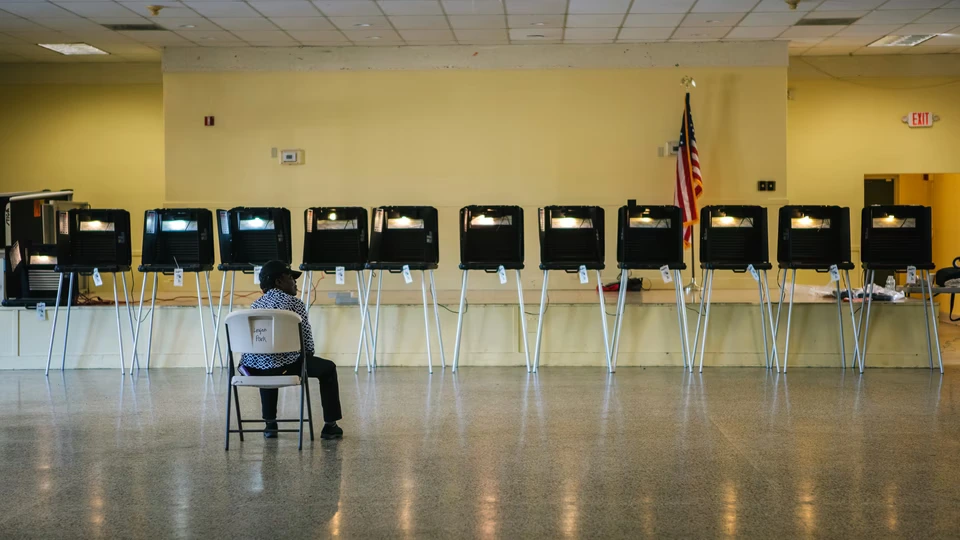
Journalists tend to frame low voter turnout as this form of evidence that American democracy is failing, or that political incentives of the American people are fading away. I think that concern can be justified in some sense but is sometimes overly stated, especially with how many news sources are out there it becomes this overuse of assumptions that weakens credibility in my opinion. Chapter 7 makes it clear however, that participation in itself is broader than just voting or picking a favorite candidate during an election cycle. Janda says political participation is this "activities of citizens that attempt to influence the structure of government, the selection of government officials, or the policies of government." (Janda, p. 174) That definition matters because it shows that voting is only one form of influence that the American people have on our government institutions. Another factor is political efficacy. If citizens believe government is unresponsive, they completely disengage and continue believing in the same overall mission that one politician might be pushing. Chapter 7 points this out that elections serve to "institutional access to political power" and reinforce legitimacy. But when trust in institutions declines, the motivational pull of voting completely weakens. Younger voters are mainly the group talking about how neither party fully reflects their priorities or goals for the future of America. Rational choice theory also suggests that one vote rarely can determine an empirical outcome, reducing incentives to participate in the first place. We have hundreds of millions of people residing in America yet only 65% actually voted in this previous election so, we can already see how many individuals don't even participate in the election to begin with. Reasons that are maybe undefinable, but we have to take in the consideration that a huge majority of them might just not care at all.
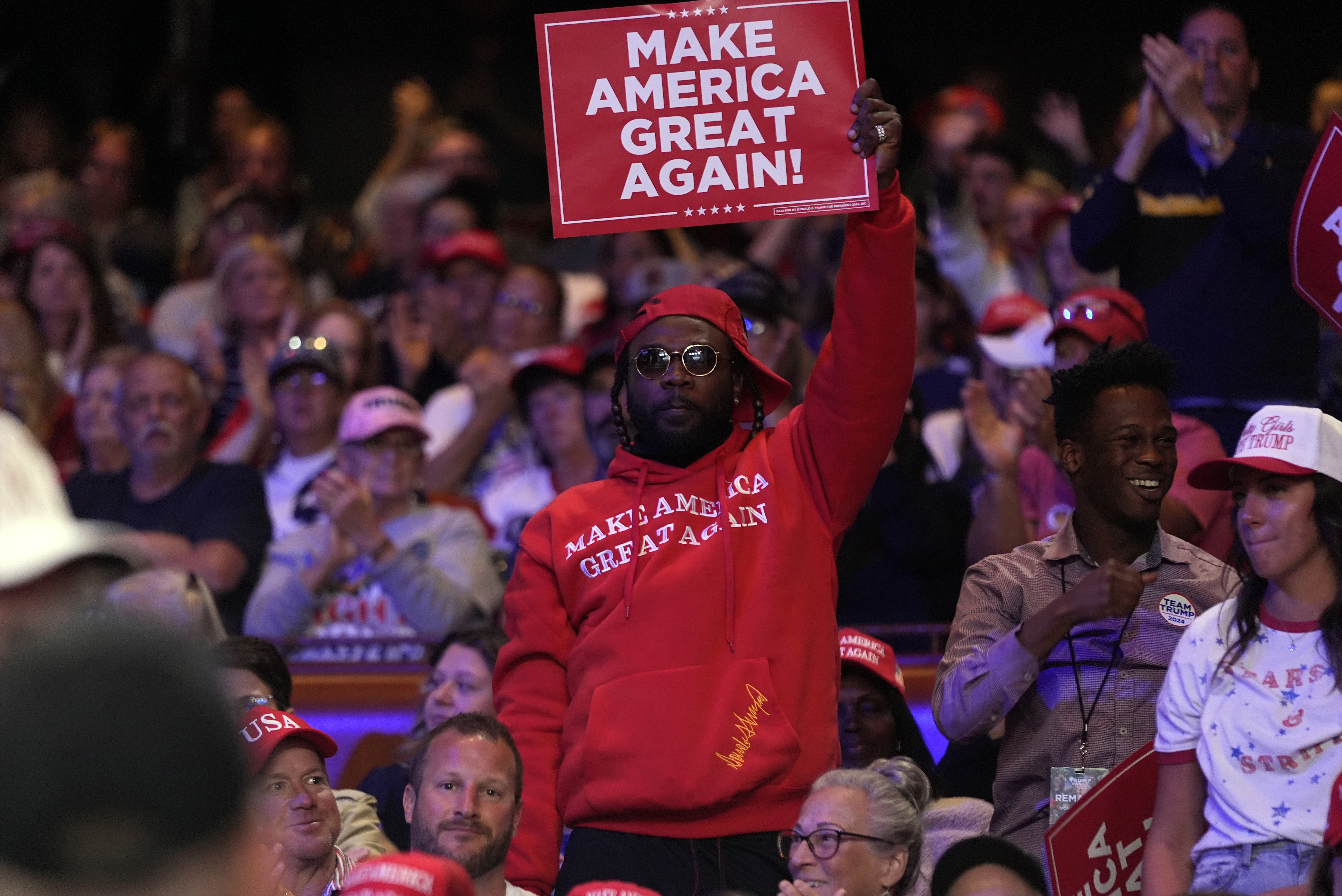
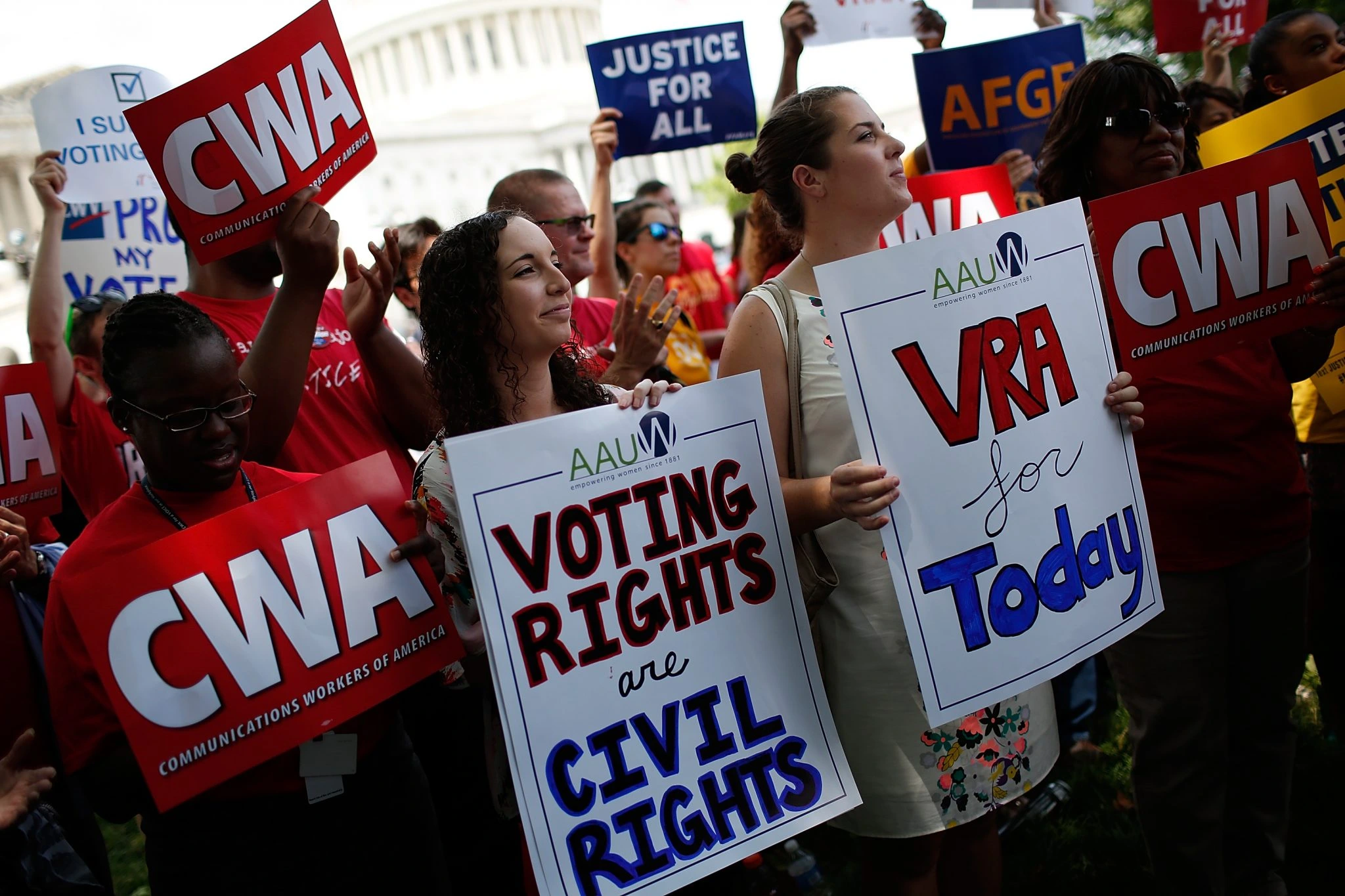
With all this being said, I am not a believer in low turnout to voting automatically means democratic values collapse. Janda contrasts majoritarian and pluralist versions of democracy throughout this chapter, where participation doesn't ever end at the ballot box, but instead is a more fluid aspect to our overall rights being an American citizen. "Resourceful citizens who want the government's help with problems find a haven in the pluralist model of democracy." (Janda, p.199) Many Americans participate through campaigns, protests, or civic organizations rather than consistent voting. However, I am skeptical of how effective some modern protests actually are. While unconventional participation can expand democratic engagement in the long run because of how many people are actively watching, it can also blur the line between principled activism and social mobilization driven more by group identity than by coherent policy goals. Like for example, many individuals who might have no friends, might stay inside most of the time may be more incentivized to go push some movement they might not actually care about, and I feel this is where we see the underlying of social anarchy during our protest and movements. Where protest become associated with disorder rather than institutional reform, which risks undermining public trust instead of strengthening democratic accountability.
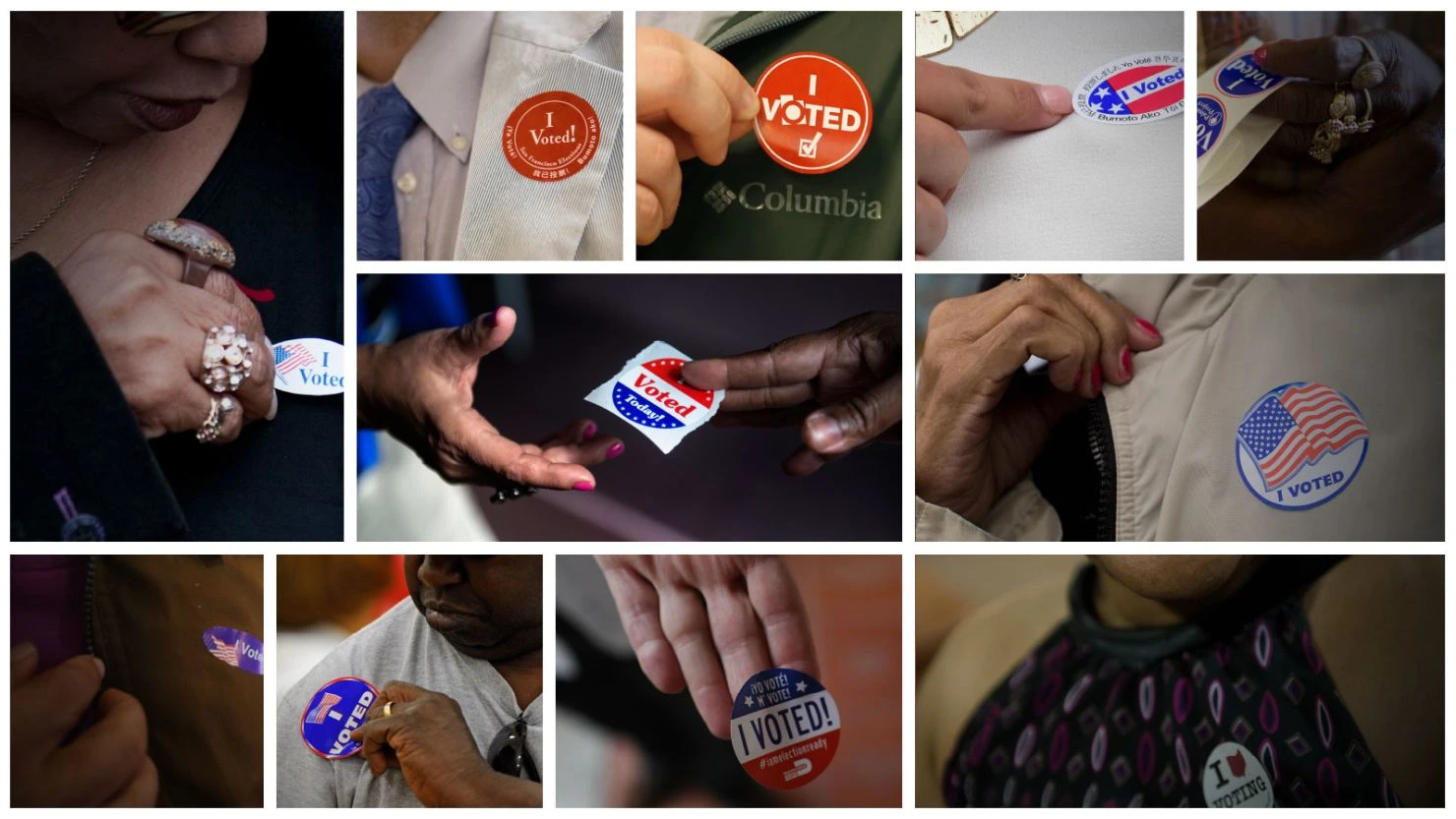
To continue, I personally have voted since I turned 18. I see it as the minimum level of engagement in a system that is ultimately up to all of us. Who gets in office, will shape and alter not just the next four years of our lives but also can reshape our entire lives, and possibly children's lives as well. Even if my individual vote has minimal statistical impact, collective participation shapes political incentives. For me, not voting feels like I'm tossing my only chance to make a political decision. We discussed this in Pols 111, where Rousseau said, "as soon as we give up our final vote and someone gets appointed, we give up our freedom to life in itself, it's that moment in between election cycles that we are truly free to think however we want ideologically." I don't believe in this completely, but it goes to show some truth about the final election days where everyone is coming together to see who it will be, and the participation of it all feels really ritualistic, in a good way. As for reforms, automatic voter registration and expanded civic education in my opinion would completely increase voter turnout. I think the decline in civic courses in American education was a poor decision on academic faculties, I think if I learned more about the way American politics worked it wouldn't have taken me until college to completely be interested and now that I am, I really enjoy working in political science. Also making election day a holiday or restructuring mail-in voting procedures could also reduce these structural barriers, that doesn't mean decline in voter ID or preventing fraud in anyway, it's just restructuring the system we already have and making it stronger and more accessible.
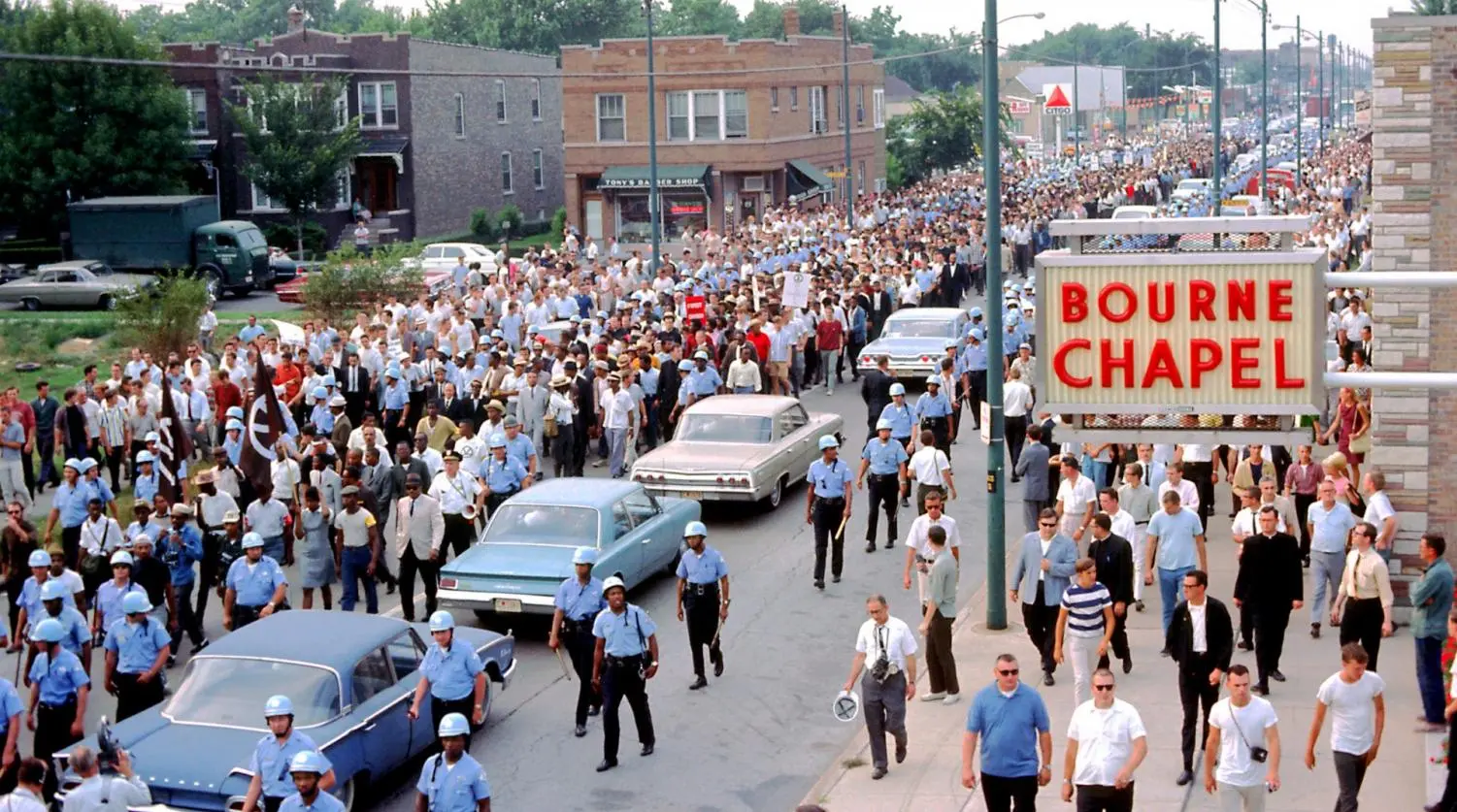
Do we need to be concerned overall? Yes, but only in a measured way. Low turnout becomes troubling when it reflects unequal participation tied to socioeconomic status. If only the highly educated were to vote, policies may gradually fall towards their personal interest, and corruption would ultimately run the government. But if American's are engaging politically in other impactful ways, then turnout statistics alone do not tell the full story. The real issue is never just how many people can vote in one cycle, but whether that political influence is equitably distributed, and the people voting actually have an understanding of the policies and changes they are voting for. At the end of the day the President may just be a citizen like all of us, but once they get in office, they have the power to completely shift and change things that are rooted in the core of our political governance. So, being able to understand agenda's and not be uninvolved in the process of voting, even if you believe your small vote doesn't matter in the longevity aspect, the meaning behind your vote matters tremendously. And I think having the freedom to vote and be a part of a decision so impactful is really important for all of us to be a part of and experience!