POLITICAL SCIENCE - DISCUSSION POST 6
by Tobin Albanese
Volume 6 Thu Mar 26 2026
Questions we were prompted with:
Are there substantive differences between the 2 major political parties? Assuming that each of you identifies with a particular political party (whether you're registered or not), describe what YOU feel Republicans, Democrats, or a particular 3rd party actually "stands for". Would you like to see changes in their "platforms"? If you do, give some specific examples of changes. For example, should they change their positions on specific policy issues? Give examples.
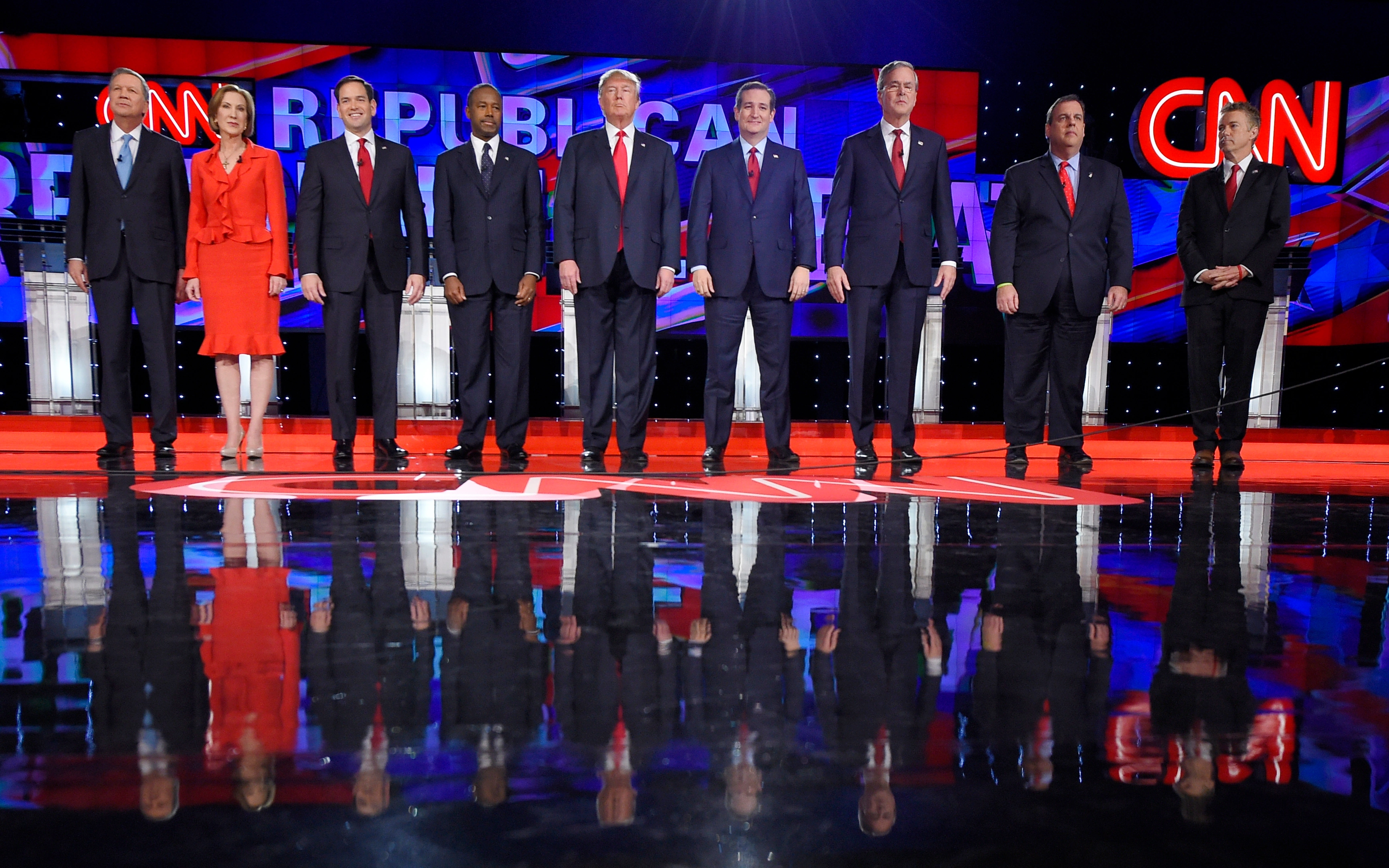
Political parties in modern day America tend to be criticized heavily, and in some respects our democracy needs that kind of pushback. But the reality is, they are essential to how our system functions and operates, especially when comparing to how other non-democratic states deal with policies and elections. When you actually take the time to break down what political parties do, it becomes clear that parties aren’t the source of our problems, they’re one of the smaller things holding our massive system together from becoming unstable. At the most basic level, a political party is just another organization that runs candidates under a shared name, but even at this basic level of what a political party is. “A political party is an organization that sponsors candidates for political office under the organization’s name.” (Janda, p.204) Political parties serve several core functions: they nominate candidates, structure voting choices, propose policy alternatives, and coordinate government action. I mean at the end of the day, we are all human after all, and so one major flaw in this system, however, is the influence of lobbyists and individuals who attempt to corrupt officials for personal gain. In practice, parties organize the entire political process from start to finish. They narrow down candidates, structure elections, and give voters a way to actually make sense of the choices in front of them. However, with all of this, I do believe that both political parties start to shape and get their runners up way ahead of time, more than what the public knows. Parties also play a major role in preparing and shaping candidates long before elections, we see many discussions of possible candidate’s years in advance, even right after this most recent election people began speculating the next election cycle. So political parties must make sure the person they are about to put on the big stage is ready, clean, and worthy of the opportunity in the first place. Without having this framework, elections would ultimately turn into chaos, hundreds of candidates piling in, no specific talking points, and no clear direction for the country. Thousands of people aim to become President one day, or an elected official nonetheless, but without this structure of picking a singular candidate or two to run for office, I believe corruption would rise and the individuals who finally get elected might have just said whatever the public wanted to hear but had an entirely different agenda behind the scenes. This is where I think people misunderstand the role of parties, especially when it comes to the Republicans today. The goal isn’t to divide the country; it’s extremely the opposite. At its core, the Republican vision is about restoring America to the great values it once had by rebuilding national unity, restoring our government order and ensuring the country is on an actual trajectory that is prosperous and going to make the American citizen live that American dream we always talk about. That means addressing hard and real issues like crime, border security, national defense, and economic stability, not just talking about them to grow public opinion or gratitude and never getting anything done.
Janda talks about how parties “structure the voting choice,” and that’s one of the more important functions that they serve. In a country as large and diversified as the United States, you ultimately need a system that simplifies massive decision-making without ever losing the underlying form of democracy in what we are deciding on. The two-party system forces candidates to be in competition (which is a strong thing because competition leads to growth and figuring out flaws and building newer and better ideas) and to build coalitions and appeal to more than just a single group of people but the entirety of the United States as a whole. That’s not a flaw in any way; this is a really strong factor in the two-party system. It allows you to see what values the officials want to push, what they aim to do to benefit the American people, and who they are as a person under pressure. I believe this is a major part, being able to debate, to discuss difficult topics that fundamentally shape our democratic system in a manner of which the American people can understand and follow but also to withstand the massive pressure that you are going to face if you actually get elected. “Political party organizations are the major means for bridging the separate powers” (Janda, p.206) The election cycle is almost as if a trial run per candidate for a few months to see who the American people want to entrust in over the course of a few years. It pushes leaders to think in terms of the whole country, not just their base organization and what they feel is right. There’s some sense of this, but when running for election, I believe you must take a step out of your body, out of your political alignments, and understand what the true American desires, and what the citizens of our great country actually want in a president.
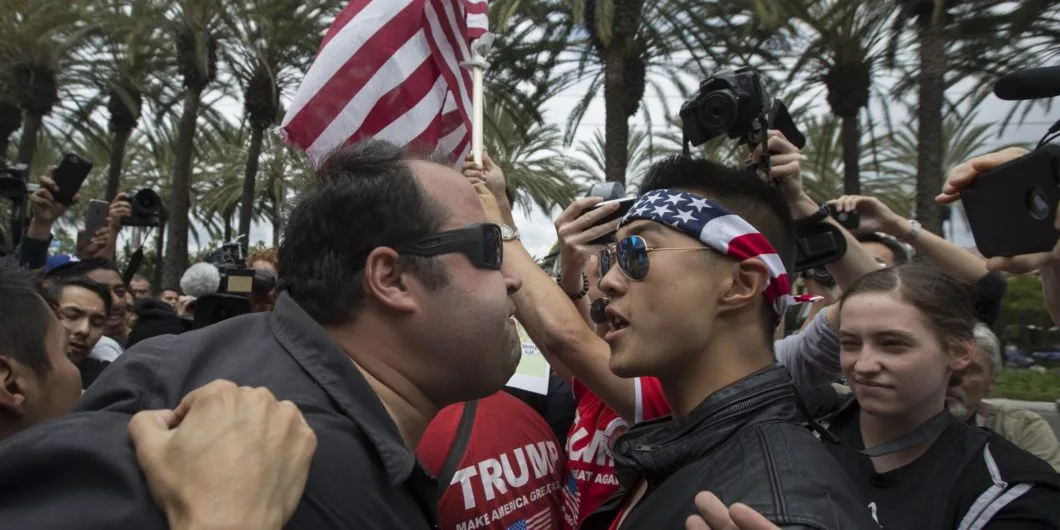
At the same time, parties offer competing visions for how the country should move forward. That competition is completely healthy in my mind, and I believe it’s the strongest aspect to a two-state party and election cycles. I’m glad we don’t live in this monarch-like society, where we have one person in office for 20-30 years, I understand many other state actors do it this way, and some are very prosperous. However, I believe the division is so major in our country, the ideological differences, and people falling so far one way or the other in our modern-day system that without a two-party solution we risk instability or a breakdown in democratic structure faster than we think. “Without political parties, voters would confront a bewildering array of self-nominated candidates, each seeking votes on the basis of personal friendships, celebrity status, or family heritage.” (Janda, p.205) Being a Republican, I believe today this party advocates for policies that prioritize security, stability, and long-term national strength. And I understand many American citizens would rather focus on other factors, whether those factors are domestic or foreign, I believe that having these differences in values or opinions is the best part of living in a free democratic society. I completely understand topics that the democratic party desire, I understand the values and ideologies, and even though I may differ from them I am not opposed to listening, I am not opposed to being wrong and to learning new facts. At the end of the day, whether we are left or right, we are human, humans with ideas, curiosity, and ultimately all together aim to build a better future for America and that’s what makes our country the single greatest country on earth. Where two completely opposing people can come together, figure out a solution, and push it to the masses, that’s the America I know, and that’s the America I wish we would come back to being. The issue has never been the political parties themselves, it’s the way they have completely pulled the average citizen completely one way or the other, and I feel we have lost sight of the bigger picture, the unifiable aspect of our country that we saw during previous times. I hope one day, the division weakens, and the political parties can finally work together and create new ideas in politics that flourish our American society and continue making our country even better and stronger in the process.