POLITICAL SCIENCE - DISCUSSION POST 2
by Tobin Albanese
Volume 2 Mon Mar 23 2026
The questions we were prompted with:
1) Why are government programs that redistribute wealth (e.g. taxes) seen by some people as a threat to freedom? Do you agree/disagree with such programs? Why/Why Not?
2) To have true political equality, must we also have true social equality. Explain why you agree or disagree with this statement.
Question 1
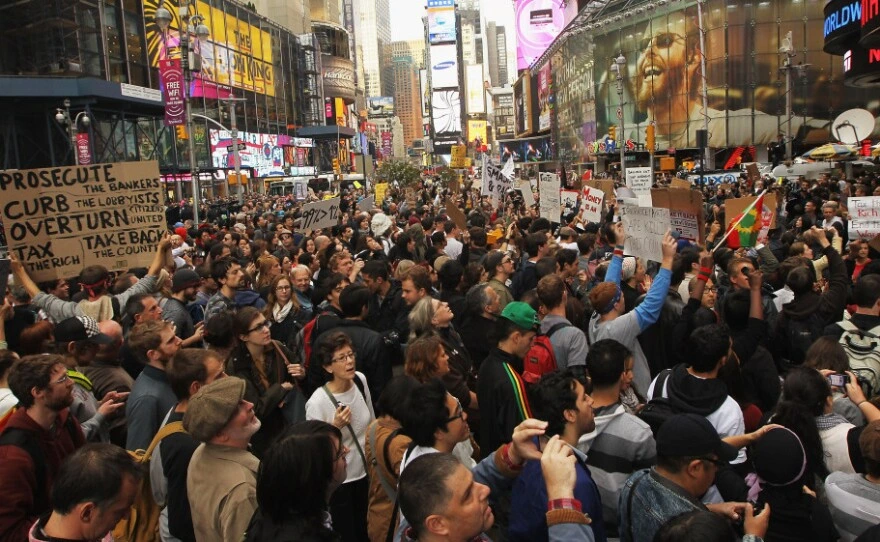
Government institutions and programs that redistribute wealth are often seen as clashing with freedom and opportunity. Only because they require the state to step directly into how individuals earn, keep, and ultimately use their own resources. At its core, redistribution limits economic autonomy by forcing individuals to give up a portion of what they earn to serve a broader collective interest. That’s really where the tension all starts. Chapter 2 also makes it pretty clear that freedom and equality are values that constantly clash with one another, and expanding one over the other almost always comes at the expense of the other. “Pursuing greater equality often requires trade-offs with individual freedom.” (Janda, Ch.1) This becomes especially apparent when government policy moves past ensuring equality of opportunity and starts pushing toward equality of outcome instead. This is where I personally start to agree with the concern surrounding broader redistribution, especially when it’s framed as a permanent fix rather than a stabilizing measure. Equality of outcome is fundamentally different from equality of opportunity, and I think we see that difference play out all the time in our day-to-day lives. Another point, one requires constant government involvement and enforcement, while the other is about giving people a fair starting point without guaranteeing identical results. From my perspective, policies that try to equal outcomes tend to weaken personal responsibility, discourage work ethics, and slowly chip away at the long-term economic productivity system. When effort and reward stop lining up, incentives disappear, and that ultimately hurts everyone in the long run.

For example, there is an ongoing debate issue as the wave of AI has come crashing into our universe, and people are really worried about what that future holds for us politically and socially. Some are scared there won’t be any more jobs a human will be able to do, and that will ultimately lead us to needing some form of redistribution of wealth but also conflicts with the drive and purpose that’s driven in all of us from a young age. I think we get so much accomplished and done because we know our life is on a timer, and so you want to grind and achieve as much as you can before it’s too late. With the rise of robotics, governance, and AI, I think we might see more than just a security dilemma, but also a socio-economic and psychological one as well. That being said, I don’t believe all redistribution is inherently bad. I support limited government involvement when it’s clearly aimed at preserving order and expanding opportunity rather than mandating sameness across society. “Freedom and equality are core democratic values that frequently conflict with one another.” (Janda, Ch. 1) Investments in education, healthcare, and basic infrastructure can strengthen freedom by allowing people to participate meaningfully in society in the first place. Personally, I think that having more individuals in schools and better health frameworks, our country can multiply in the strengths of numbers and opportunities because all of us would be pushing towards higher levels of thinking and accomplishment, which further strengthens our country over time.
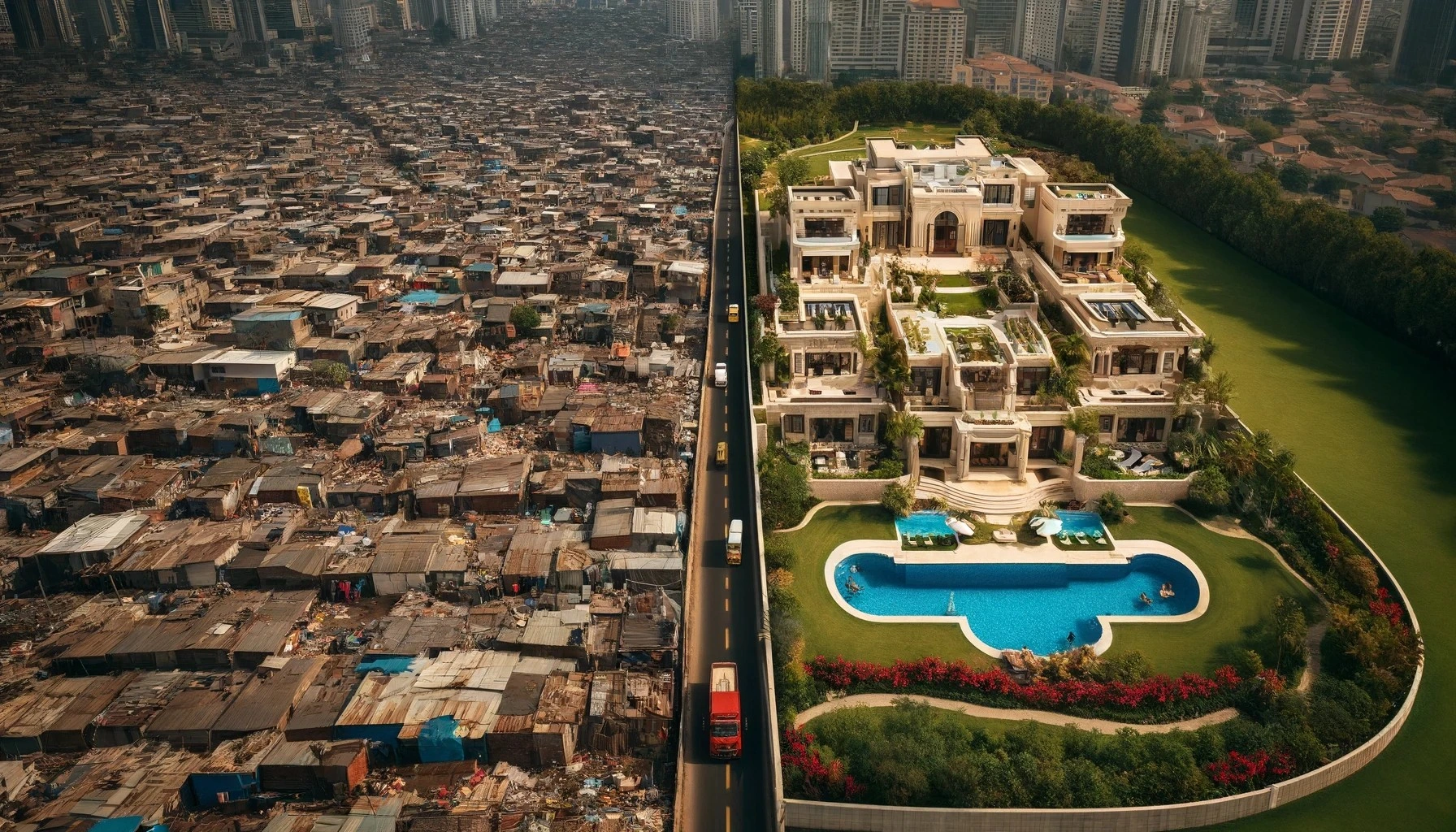
The issue is when redistribution becomes an ideological goal instead of a practical tool. As Chapter 2 suggests, governments are constantly forced to make trade-offs between their core values, and when equality is pursued without limits, freedom is usually the first thing to weaken. “Some argue that social equality is necessary for true political equality, but this claim remains heavily debated.” (Janda, Ch. 2) Another reason why it’s great to have some sense of debate in our nation’s politics, too, is to look further into discussion rather than just jumping the gun and writing policies. I don’t think social equality is necessary for true political equality in any way. I think that our social equality is at a far better point in modern day history, than even 10 years ago, and that’s because of the shifts in our political equality.I know with times like right now that can be misconstrued but right now, everyone has the freedom to vote individuals and leaders in charge, this isn’t a dictatorship and so, it’s almost always up to the citizens of our nation to make the right choice for themselves personally and the collective wins “Political equality means that each citizen’s vote carries the same weight.” (Janda, Ch.2) But social equality differs from this due to the circumstances of not all of us our born equal, from a wide range of things, it’s not impossible to have social equality don’t get me wrong, I just think that the dystopian sense of social equality is a long way to go.
Question 2
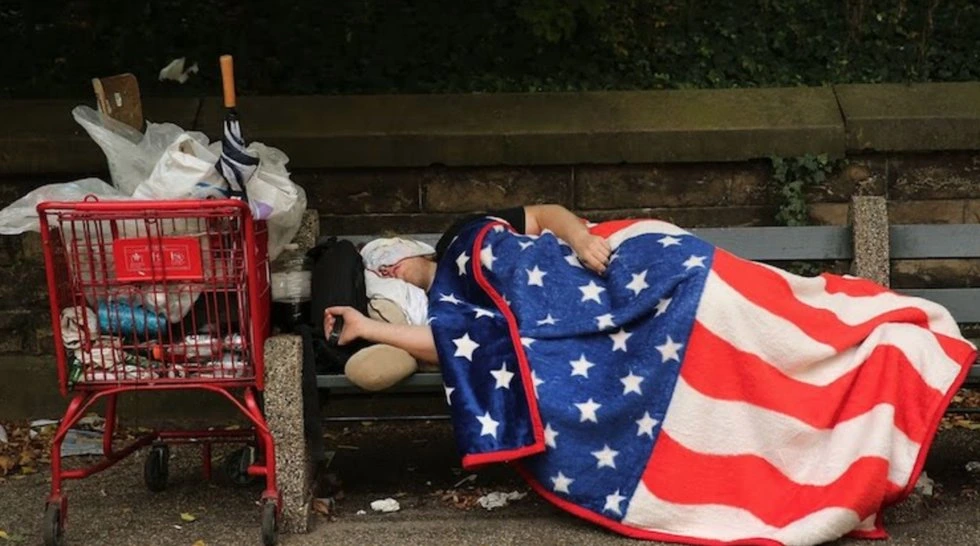
I disagree with the idea that true political equality requires true social equality. Political equality is about equal political rights, not equal life outcomes. “Political equality does not require equality of social or economic outcomes.” (Janda Ch. 2) Just because citizens have equal political standing doesn’t mean their lives, opportunities, or circumstances are ever going to be the same. With over 400 million individuals in our country, we are bound for diversity, with different class structures for social and economic hierarchy. I think that America and the rest of the world are far from having this pure infrastructure where everyone has the same forms of opportunity. I think that there will always be wealth, and always be poor, and maybe this is just the realist side of my thinking. I just don’t see in our lifetimes a societal shift that would adapt to a fair, balanced way of life. Don’t get me wrong, either; I would love to have our country like that, no more homeless, no poor individuals, no more food stamps, etc., just a country flourishing in prosperity, but that’s not what we have right now.
I think that the Trump administration, even though many programs have been shut down or weakened in terms of financial applicability, I think the opportunities for investments from jobs, from education, and many more advances/shifts of ideological mindsets in our country, we will see a massive wave of increasing value to our personal lives. Chapter 2 explains that political equality exists when people have equal access to participation, equal voting power, and equal legal standing under the law, and those conditions can exist even when people come from very different backgrounds in terms of income, education, and social status. “Equality of outcome requires ongoing government involvement rather than simply ensuring a fair starting point.” (Janda, Ch. 2).
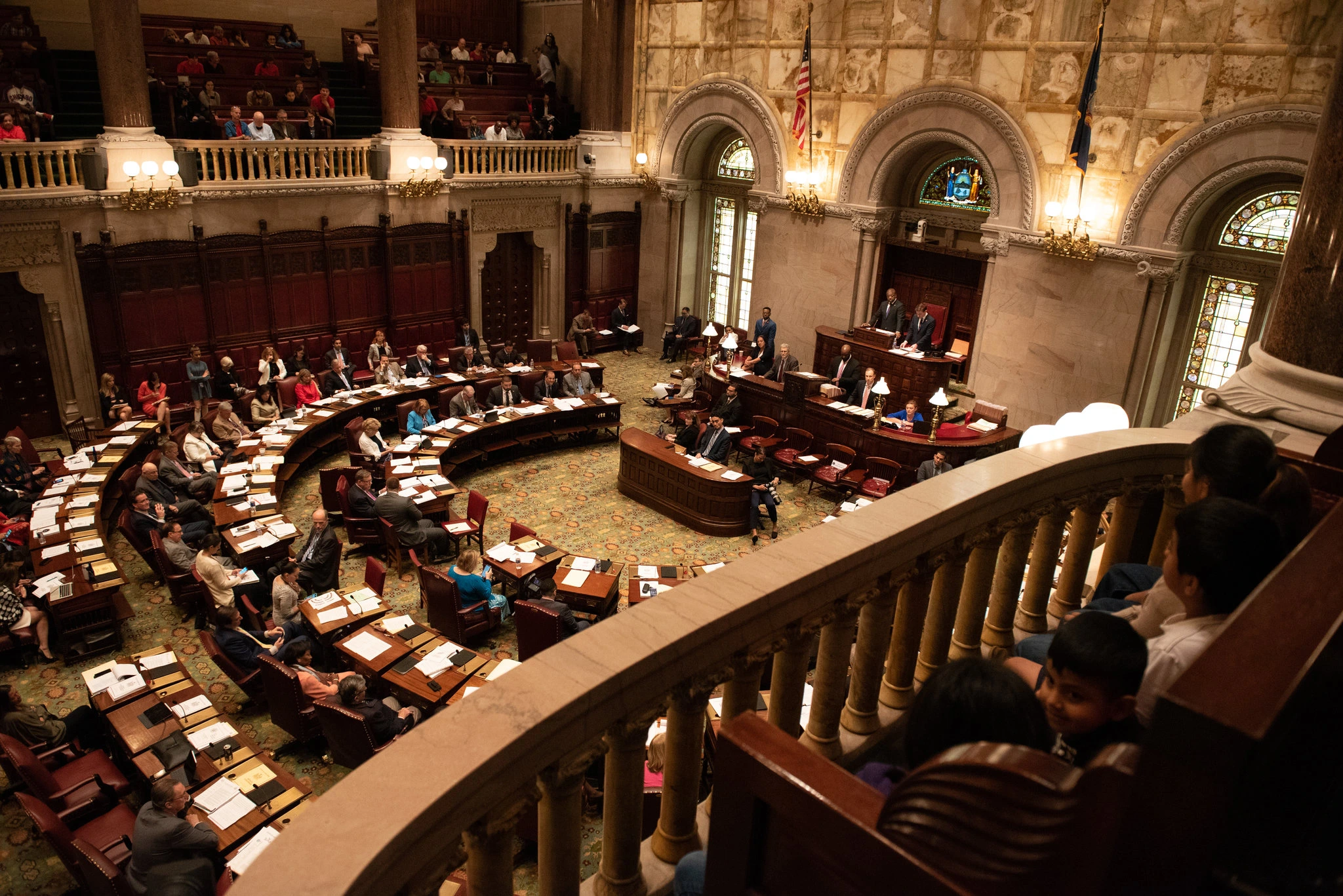
Honestly, this is exactly the reality we’re living in right now in the United States. We’re institutionally unequal from birth. People are dealt with different hands, and that’s just a fact of life. The argument that social inequality automatically destroys political equality assumes that wealth differences always translate into political control. While that can happen, it’s not inevitable. A poor person can’t realistically influence a political figure through material gain, and even wealth doesn’t automatically guarantee influence unless institutions fail. When democratic institutions actually function the way, they’re supposed to, through transparency and rule of law, the political rights remain intact regardless of economic disparity. From bribes to personal advantages that political authorities can receive from wealthier individuals, these practices can create the illusion of fairness when it's never really fair behind closed doors, there's always a give and take in politics whether that's through a trade deal or even when we are supporting a country, we will always try to be profitable from relatively gains and outcomes. So, trying to force full social equality all at once would require massive government intervention, which risks limiting our individual freedom and personal rights. When that level of power is centralized, even one bad actor can kill the entire framework. “Governments must constantly make trade-offs among basic values when designing public policy.” (Janda Ch. 2) Equality of outcome demands constant oversight, redistribution, and enforcement, all of which only expand state power. Political equality, on the other hand, can be preserved by protecting civil liberties, and making sure no group, majority or minority, can have the opportunity to strip others of their rights. As the text makes it clear, our democracy works best when majority rule is balanced by constitutional protections, not when social differences are eliminated altogether. I personally just don’t think that to have true political equality, we must have true social equality in any way. I think over time we will see many shifts of ideologies and arguments on the social & political equality debate with future changes in governance and our everyday lives.