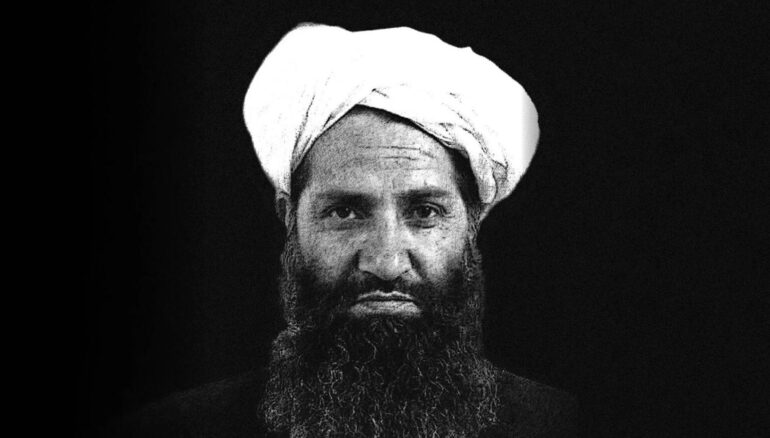
THE INVISIBLE EMIR:
Understanding Power, Psychology, and Structure Under Hibatullah Akhundzada
by Tobin Albanese
Volume 1 Wed Apr 01 2026
This project focuses on the psychological profile of Hibatullah Akhundzada and how his leadership has reshaped the Taliban regime. Under his authority, the movement has shifted away from visible, charismatic leadership toward a more rigid, doctrine driven system rooted in religious interpretation. By examining his mindset and decision making patterns, this analysis aims to explain how internal belief structures now define governance and control.
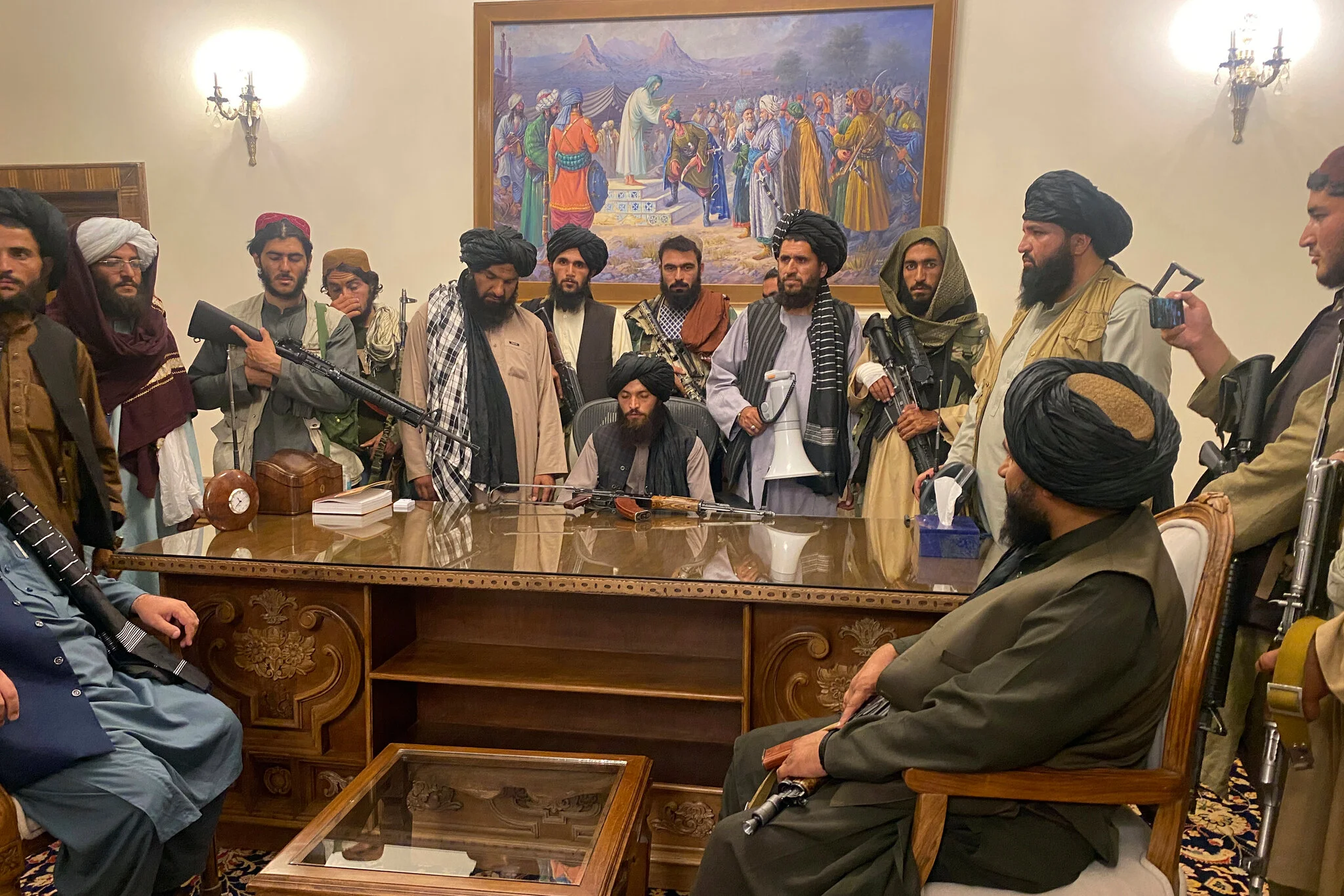
In 2021, the United States withdrew from Afghanistan and the Taliban regained control with a level of speed and coordination that reshaped global assumptions about the region. What followed was not just a transfer of power but the reemergence of a system that operates outside conventional political expectations. Many expected a visible strongman or military figure to lead the regime, someone who reflected the insurgent nature of the movement itself. Instead, leadership consolidated under Hibatullah Akhundzada, a figure who remains largely unseen and rarely heard from directly. This contrast is where the project begins. Akhundzada is not a typical head of state, and the Taliban is not a typical political system. Leadership in this context is not defined by elections, public messaging, or even military dominance alone. It is defined by legitimacy within a closed ideological framework. This raises a set of core questions that drive the research. What type of leader emerges in a system like this, and what explains their authority. How does someone with limited public presence maintain control over a regime. And more importantly, what does this reveal about how the Taliban governs today.
Why This Matters
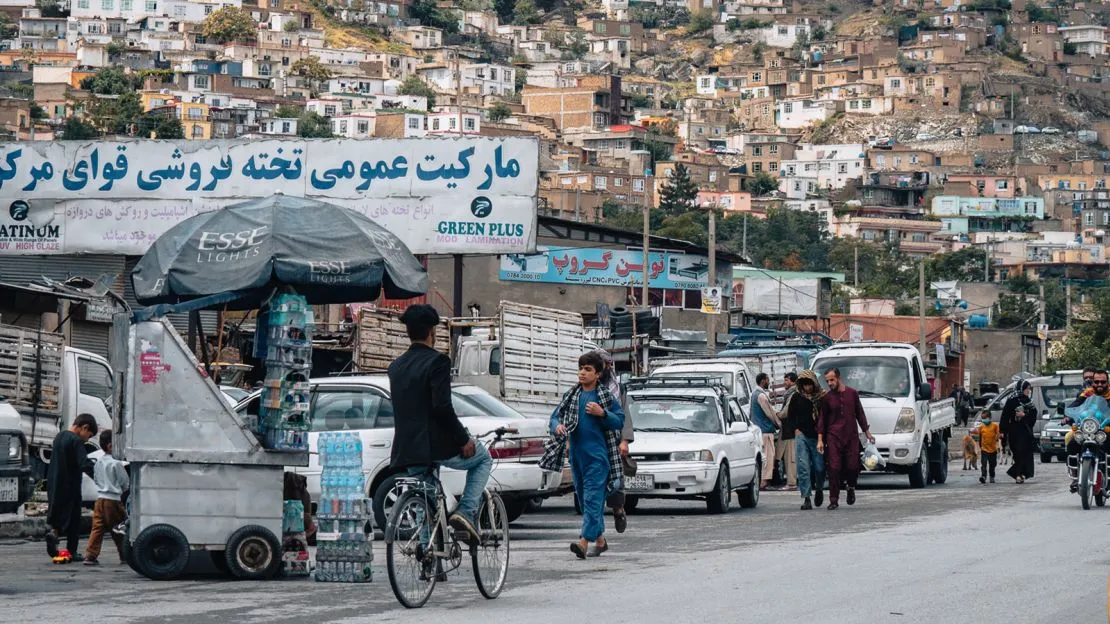
This project is not just about profiling an individual. It is about understanding how leadership functions in a system where the rules are fundamentally different from what most political science models assume. The Taliban does not operate through institutions in the traditional sense, and its legitimacy is not derived from public consent or international recognition. Instead, authority is rooted in ideological alignment, religious interpretation, and internal trust networks. That makes leadership central to everything. The personality, beliefs, and decision-making patterns of a leader like Akhundzada directly shape policy outcomes and governance structures. When you look at restrictions on education, limitations on women’s rights, and the broader direction of the regime, these are not random or purely strategic choices. They are reflections of a specific worldview being implemented at the highest level. Understanding this matters because it changes how we interpret the regime itself. Rather than seeing it as chaotic or purely reactionary, it becomes clear that there is structure, logic, and consistency behind its actions. This project is an attempt to map that structure and understand the system through the lens of leadership.
A Different Kind of Leader
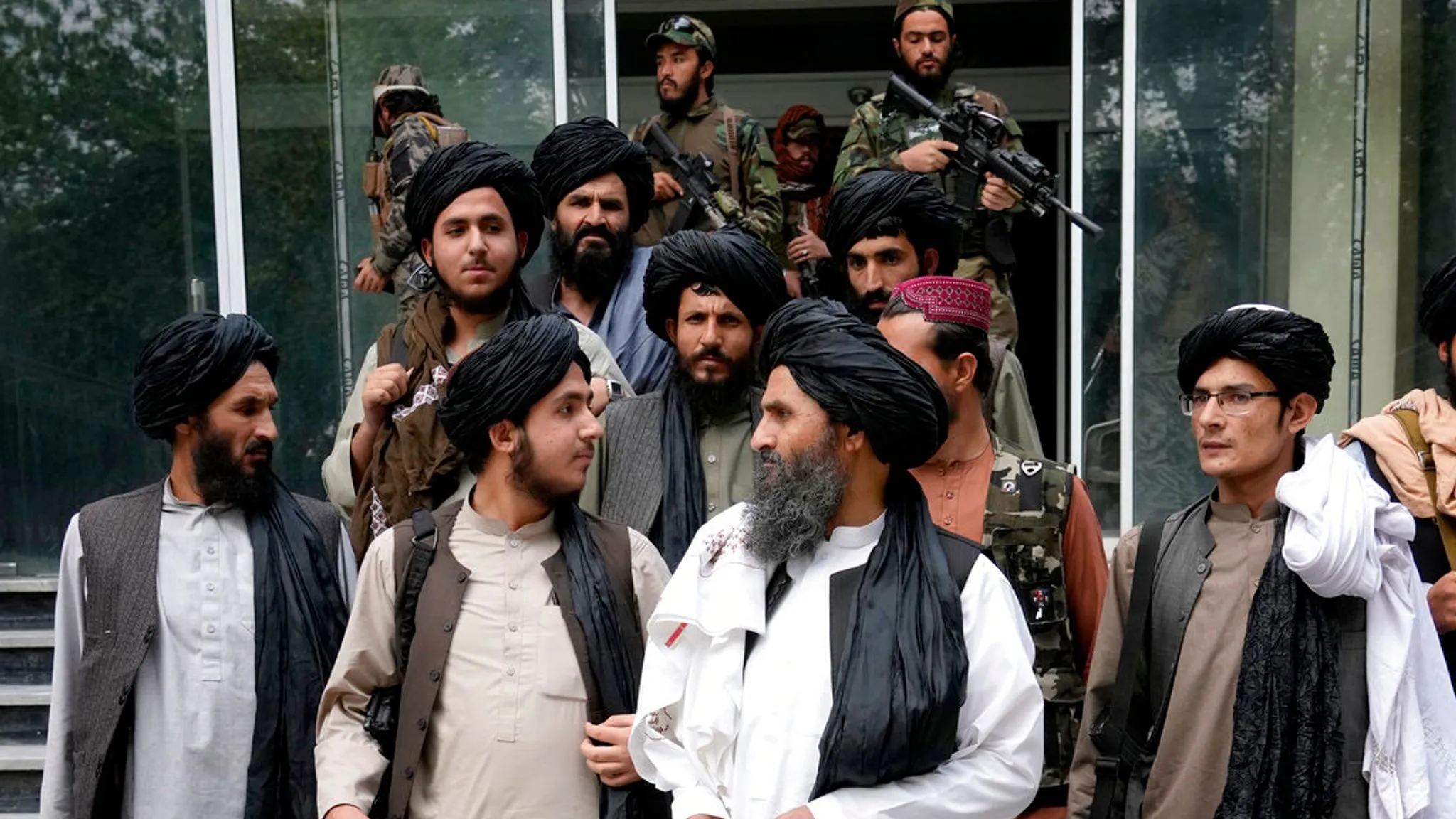
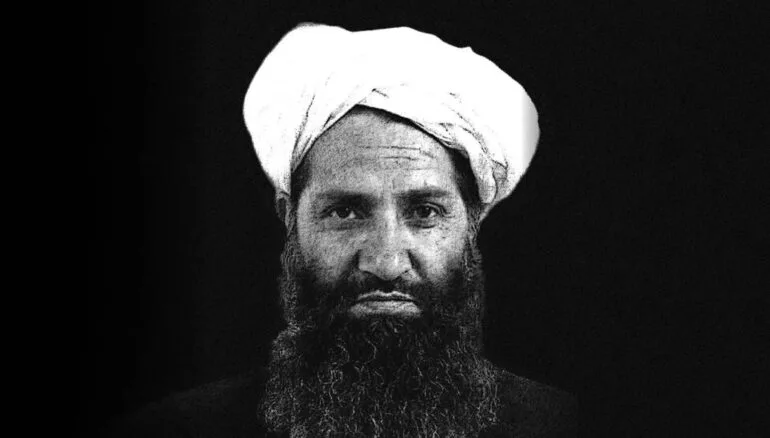
Akhundzada does not fit the mold of what most would expect from the leader of a movement like the Taliban. He is not known for battlefield command or public speeches. His background is rooted in religious scholarship and jurisprudence, which immediately sets him apart from more visible militant leaders. This is important because it shifts the source of his authority away from force and toward interpretation. His rise to power in 2016 came at a moment when the Taliban needed stability. After internal divisions and leadership losses, the movement required someone who could unify factions without threatening them. A cleric provided that solution. He was not competing for power in the same way a military commander might, and that made him a neutral figure capable of maintaining internal cohesion. What this creates is a leadership model based less on charisma and more on doctrinal legitimacy. Akhundzada’s authority comes from his ability to define what is correct within the ideological framework of the Taliban. That makes his role less visible but more foundational. He is not leading through presence. He is leading through interpretation.
Psychology & Governance
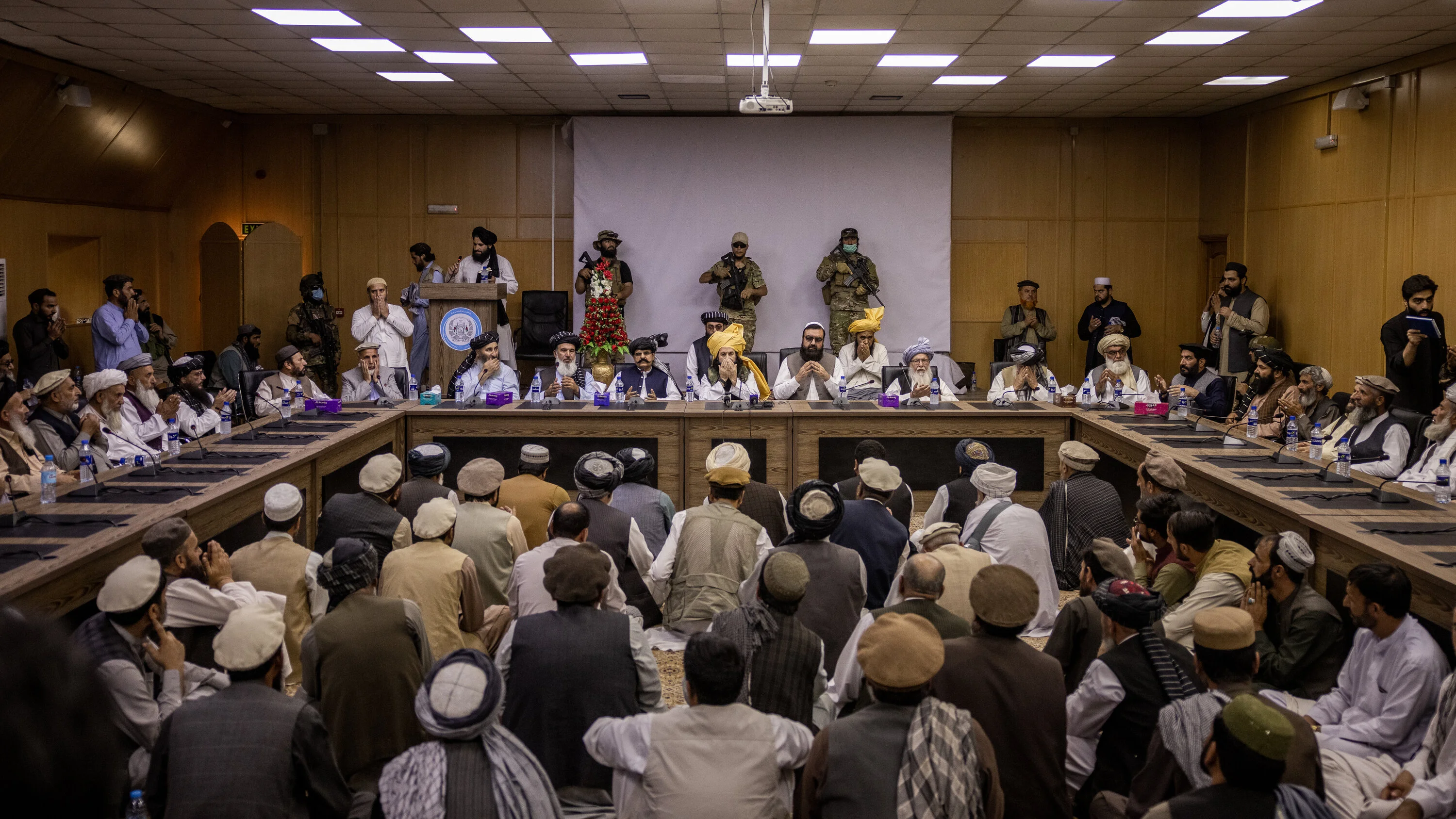
Looking at Akhundzada from a psychological standpoint adds another layer to understanding how the regime operates. Even with limited direct access to his behavior, patterns emerge through policy decisions and governance style. One of the most defining traits is his reclusiveness. He does not engage with the public in the way most political leaders do, and that absence reinforces a sense of distance and authority. There is also a strong legalistic orientation in the way decisions are made. Policies consistently align with strict interpretations of religious law, suggesting a cognitive framework that prioritizes rules and doctrine over flexibility. This is not adaptive leadership in the traditional sense. It is structured and internally consistent, even when it leads to international isolation. Another key element is ideological rigidity. There is little evidence of compromise in response to external pressure, which indicates that decisions are not being made based on global norms or incentives. Instead, they reflect a closed system of reasoning. Governance in this case becomes an extension of belief, where enforcing doctrine is seen as the primary responsibility of leadership.
A Dual Power Structure
One of the most important dynamics within the Taliban today is the division of power between Akhundzada and the Haqqani network. This is not a simple hierarchy where one actor controls everything. Instead, it is a system where different forms of authority operate in parallel. Akhundzada represents ideological and religious authority. His role is to define the direction of the regime and establish what is acceptable within its framework. The Haqqani network, on the other hand, controls much of the operational side of governance, including security and intelligence functions. This creates a balance between doctrine and enforcement. This dual structure is critical to understanding how the Taliban functions as a regime. It is not unified in the way a centralized state might be, but it is also not fragmented to the point of instability. Instead, it operates as a hybrid system where authority is distributed across different actors with distinct roles. This creates both stability and tension, depending on how those roles interact over time.
Beyond Biography: A Systems Approach
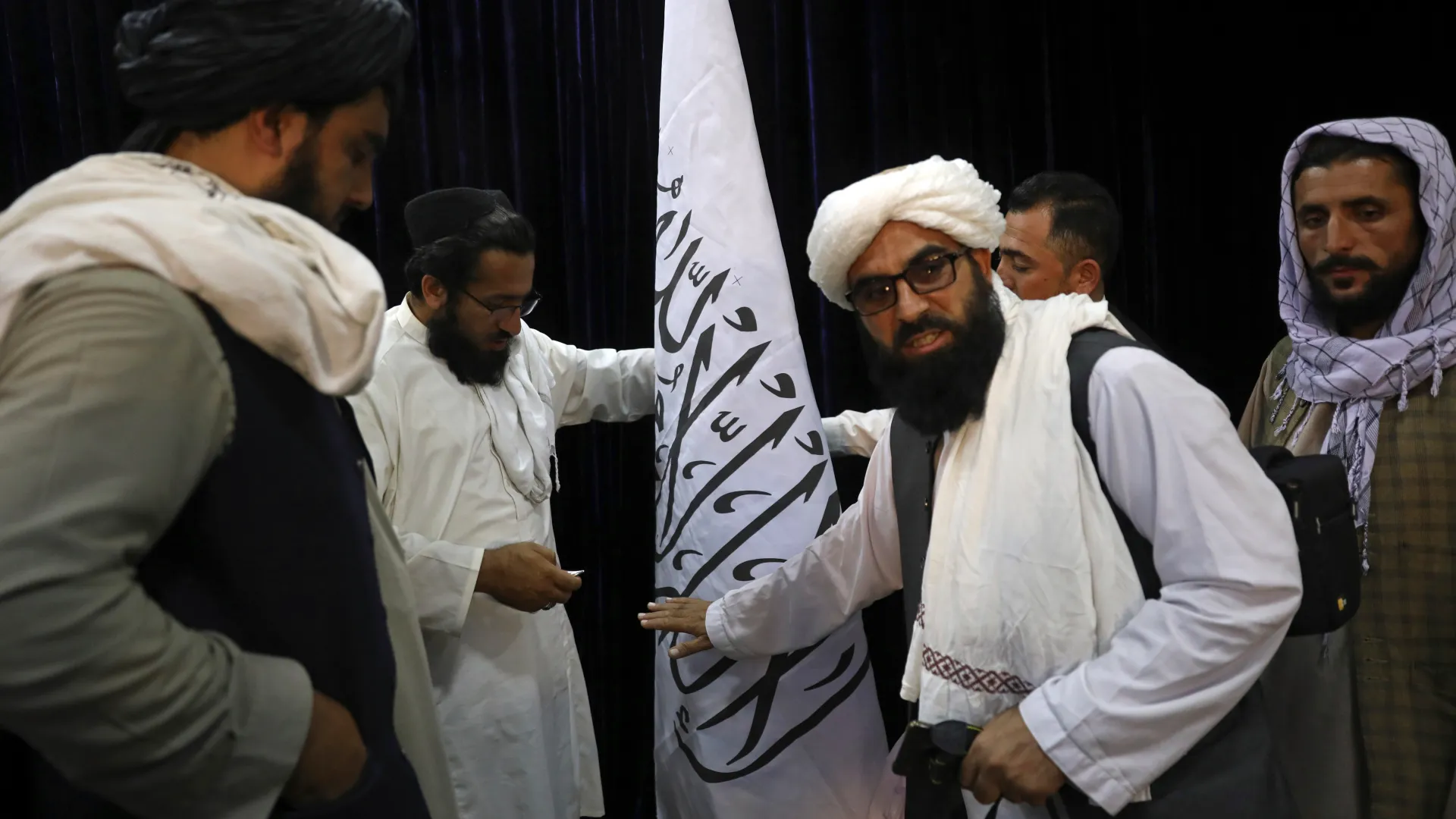
While Akhundzada’s background is important, focusing only on biography would miss the larger picture. This project treats his leadership as part of a broader system rather than an isolated case. That means looking at the frameworks that explain how someone like him rises to power and maintains authority. One of the key lenses used in this analysis is Weber’s concept of authority, particularly the distinction between charismatic and traditional forms. The Taliban has shifted from a model that relied more on charismatic leadership to one that is grounded in religious and traditional legitimacy. This transition is essential to understanding the current structure of the regime. In addition to that, the project examines how leadership works in systems without formal institutions. Advancement is not based on elections or clear hierarchies. It is based on credibility, loyalty, and survival within the movement. This creates a different pathway to power, one that prioritizes ideological alignment over other forms of qualification. Looking at the Taliban through this lens helps explain not just Akhundzada, but the system that supports him.
Final Thought
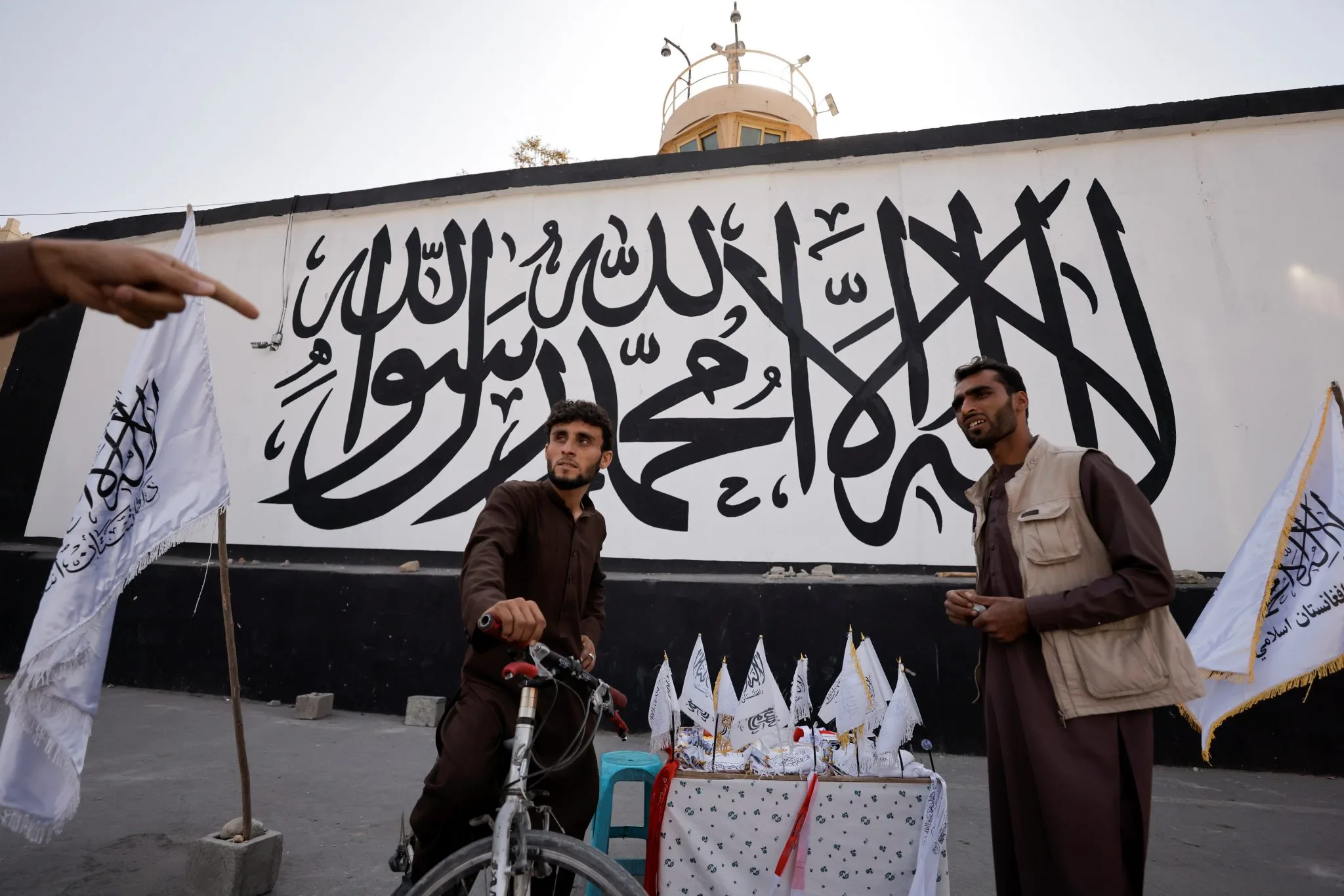
This post is only an introduction to a much larger analysis. The full project expands into a detailed examination of leadership psychology, political theory, and regime structure. It looks at how policy decisions after 2021 reflect deeper patterns in leadership behavior, and how internal dynamics shape the future of the Taliban. There is also a focus on long-term stability. Systems that rely heavily on individual authority without formal mechanisms for succession often face challenges over time. Understanding how those risks play out in the Taliban context is a key part of the research. Ultimately, the goal is to move beyond surface-level analysis and provide a structured understanding of how this regime operates. Not as an anomaly, but as a system with its own internal logic and patterns. Power under Akhundzada does not operate in a visible or conventional way. It is not about public presence or political performance. It is quieter and more controlled, shaped by belief and reinforced through structure.
Resources & Archival References
Primary Profiles and Leadership Analysis
Taliban Structure & Governance
Post Withdrawal Afghanistan Analysis
Legal and Institutional Documents
Academic and Theoretical Research
Supplementary Research and Data Sources
- Google Books: U.S. Withdrawal Analysis Section 1
- Google Books: U.S. Withdrawal Analysis Section 2
- Google Books: U.S. Withdrawal Analysis Section 3
- RC Research Archive Article
- JSSRP Journal Article
- Policy Journal Article
- Taylor and Francis: Governance Study
- OAPEN Library Main Entry
- Brill Asian Studies Article