OFAC / SANCTIONS MONITOR
by Tobin Albanese
Volume 0 Thu May 28 2026
A sanctions-monitoring layer built to connect restricted entities with broader intelligence records.
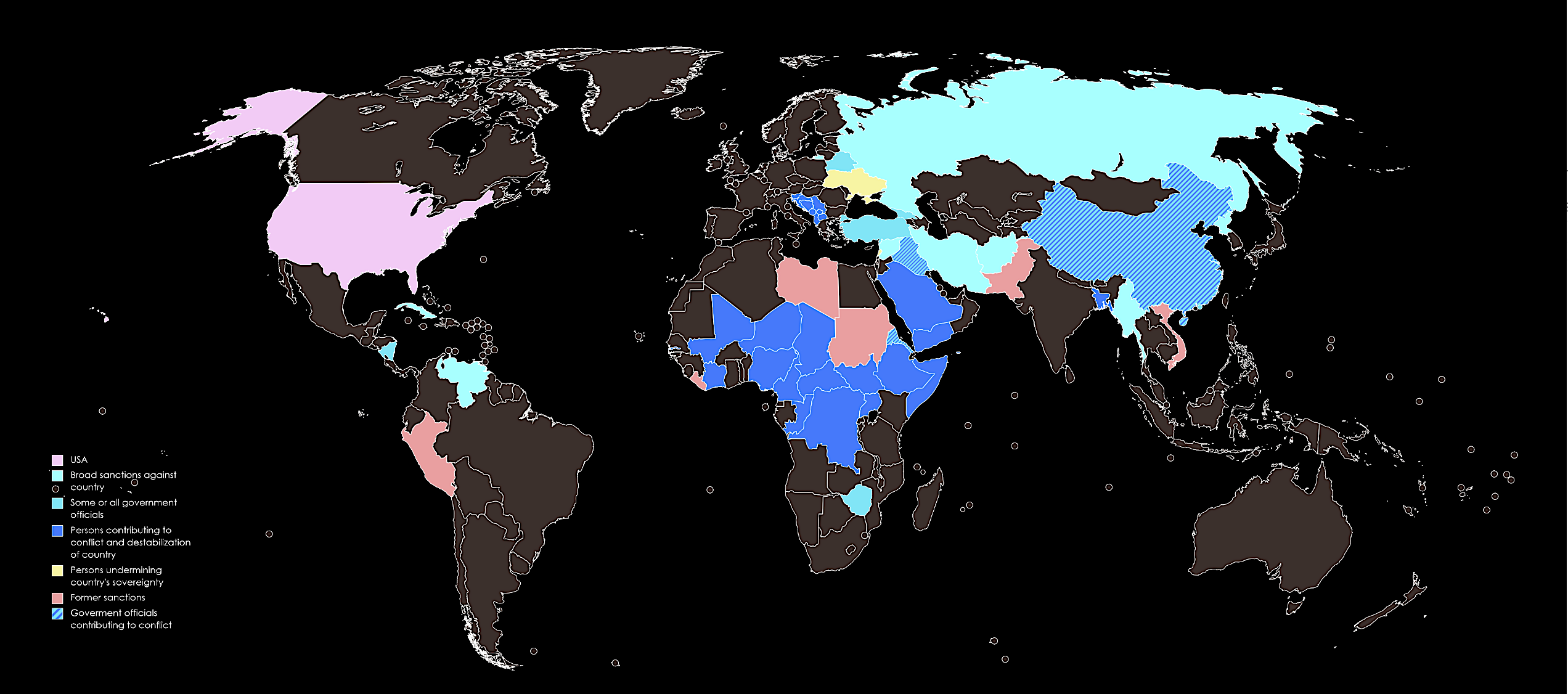
The OFAC / Sanctions Monitor is an embedded module inside SIGNALIS Global Intel Hub designed to bring sanctions data into the larger intelligence workflow. Its purpose is not just to store sanctions records as a reference list. It is built to make sanctions information searchable, connected, and usable across the platform’s monitoring, scoring, and analysis pipeline. That distinction matters. Sanctions data by itself can be valuable, but it becomes much more useful when it connects to public-source events, entity profiles, regional risk, watchlists, illicit networks, and analyst review queues. A sanctioned individual, company, vessel, aircraft, or organization should not sit alone in a static table. It should be connected to aliases, countries, identifiers, sanctions programs, related entities, source records, and emerging events. From my perspective, this is where sanctions data becomes intelligence data. It stops being just a list of restricted names and starts becoming part of a broader monitoring system. Inside Global Intel Hub, this module gives the platform a structured way to track sanctioned entities and connect them to the rest of the intelligence environment. It supports entity screening, compliance-style review, illicit finance monitoring, watchlist matching, dashboard review, and future reporting. More importantly, it gives the system a formal entity-monitoring layer that can grow as the platform expands.
The main reason this module was needed is that sanctions records are often treated too narrowly. In many systems, sanctions data is handled like a separate database or a lookup tool. You search a name, check if there is a match, and move on. That can work for basic screening, but it is not enough for an intelligence platform. Global Intel Hub is built around relationships between events, entities, regions, and risk areas. So sanctions data needs to connect into that same structure. If a sanctioned company appears in a news article, that article should be connected to the company profile. If a vessel appears in a maritime event and is also tied to sanctions activity, the platform should surface that connection. If a sanctioned individual has multiple aliases or alternate spellings, the system needs to understand those variations instead of missing the match entirely. This matters because illicit networks rarely operate in a clean or obvious way. Names change. Companies use subsidiaries. Vessels change flags. Individuals rely on aliases. Organizations move through different jurisdictions. If sanctions data is stored as a flat list, the system misses much of the context that makes the data useful in the first place. The OFAC / Sanctions Monitor gives Global Intel Hub a way to treat sanctions as an active intelligence layer rather than a passive reference source.
The module begins by ingesting OFAC and sanctions-related records into the Global Intel Hub backend. These records can include sanctioned individuals, organizations, companies, vessels, aircraft, and other related entities. During ingestion, the module captures the core details that make each record useful: names, aliases, alternate spellings, identifiers, countries, sanctions programs, entity types, and associated metadata. This structure is important because a sanctions record is rarely just one name. A single sanctioned actor may have multiple aliases, linked organizations, registration numbers, passport numbers, vessel identifiers, aircraft details, or country associations. Without capturing that metadata, the system would only understand the surface-level record. That would weaken future matching and analysis. After ingestion, sanctions records can be connected to broader entity profiles inside Global Intel Hub. This allows the same entity to appear across multiple parts of the platform. For example, a company might appear in an OFAC record, a news article, a GDELT event, and a watchlist match. Instead of treating those as separate pieces of information, the platform can start tying them together around one entity profile. That is where the module becomes especially useful. It creates a bridge between official sanctions data and the public-source information being collected elsewhere in the system.
One of the most important parts of the OFAC / Sanctions Monitor is entity matching. The platform needs to identify when a public-source event involves a restricted person, organization, country, vessel, aircraft, or sanctions program. That requires more than basic keyword matching. It needs structured entity data, aliases, alternate spellings, and metadata that can help the system recognize possible connections. For example, a sanctioned shipping company may appear under a different spelling in a public-source article. A vessel may be referenced by name in one record and by identifier in another. An individual may be mentioned through an alias rather than a legal name. If the system only checks exact names, it will miss important connections. The sanctions monitor helps reduce that risk by keeping these identifiers connected to the entity record. At the same time, this module should not treat every possible match as automatically significant. Sanctions screening can create false positives, especially when names are common or when public records are incomplete. That is why the module needs to support analyst review queues and future scoring logic. A strong match might involve an exact name, matching country, known alias, and related program. A weaker match might need human review before being elevated. In my view, this balance is important. The system should help identify risk, but it should not pretend that every match is final. Intelligence work still requires judgment.
The OFAC / Sanctions Monitor also connects directly to the Watchlist Engine and the broader ingestion system. Records collected from RSS, GDELT, news APIs, sanctions feeds, and future collectors can be checked against sanctions entities and watchlist rules. This allows the platform to identify when an event involves a sanctioned actor or when sanctions-related activity connects to a broader regional issue. For example, a watchlist focused on Iranian sanctions evasion could monitor companies, vessels, financial institutions, ports, and regional routes tied to that issue. If a public-source event mentions a vessel that appears in a sanctions record, the platform can route that event into a dashboard panel or analyst review queue. If a sanctioned organization appears in reporting about cyber activity, terrorism financing, maritime movement, or regional instability, that connection can be preserved for analysis. This is what makes the module valuable inside Global Intel Hub. It does not isolate sanctions from the rest of the platform. It connects sanctions data to events, regions, networks, and intelligence priorities. That matters because sanctions are often part of a larger story. They can point toward illicit finance, state-backed networks, terrorism support, weapons procurement, maritime evasion, cyber operations, or regional pressure campaigns. The module gives SIGNALIS a way to capture those connections rather than leaving them scattered across separate systems.
Inside Global Intel Hub, the OFAC / Sanctions Monitor supports several downstream workflows. It can help with entity screening by making sanctions data structured and searchable. It can support compliance-style review by connecting official sanctions records to public-source reporting. It can help analysts track illicit networks by linking entities, aliases, programs, jurisdictions, and events. It can also support future scoring logic based on sanctions exposure, program type, region, entity relationships, and strength of match. This creates a stronger foundation for dashboard alerts and report generation. Instead of simply saying that an event involves a name that appeared in a public source, the platform can show whether that name connects to a sanctioned entity, what program it belongs to, what aliases are attached, and what other events have referenced it. That gives analysts more context and reduces the need to manually search across multiple databases. From my perspective, this is the real purpose of the module. It turns sanctions data into operational context. Not just a record. Not just a warning flag. A structured layer of intelligence that supports monitoring and decision-making across the platform.
The OFAC / Sanctions Monitor matters because Global Intel Hub needs a way to connect restricted entities to the rest of the intelligence picture. Sanctions data is too important to remain isolated. When it is connected to watchlists, public-source events, entity profiles, maritime activity, cyber incidents, regional risk, and analyst workflows, it becomes much more useful. This module gives the platform a formal sanctions and entity-monitoring layer. It separates sanctions ingestion from general news collection while still connecting both inside the same intelligence system. That separation keeps the backend organized, but the connection makes the data meaningful. In my view, this is what makes the OFAC / Sanctions Monitor necessary. It helps Global Intel Hub move from basic collection toward structured intelligence tracking. It supports compliance-style analysis, illicit finance monitoring, entity exposure review, and future automated reporting. Sanctions data should not just sit in a static list. It should move through the platform as context. It should help identify risk, connect events, and make public-source records more useful for analysis.
That is what this module is designed to do.