SIGNALIS - GLOBAL INTELLIGENCE PLATFORM
by Tobin Albanese
Strategic Intelligence for Global Networks, Alerts, Live Information & Security
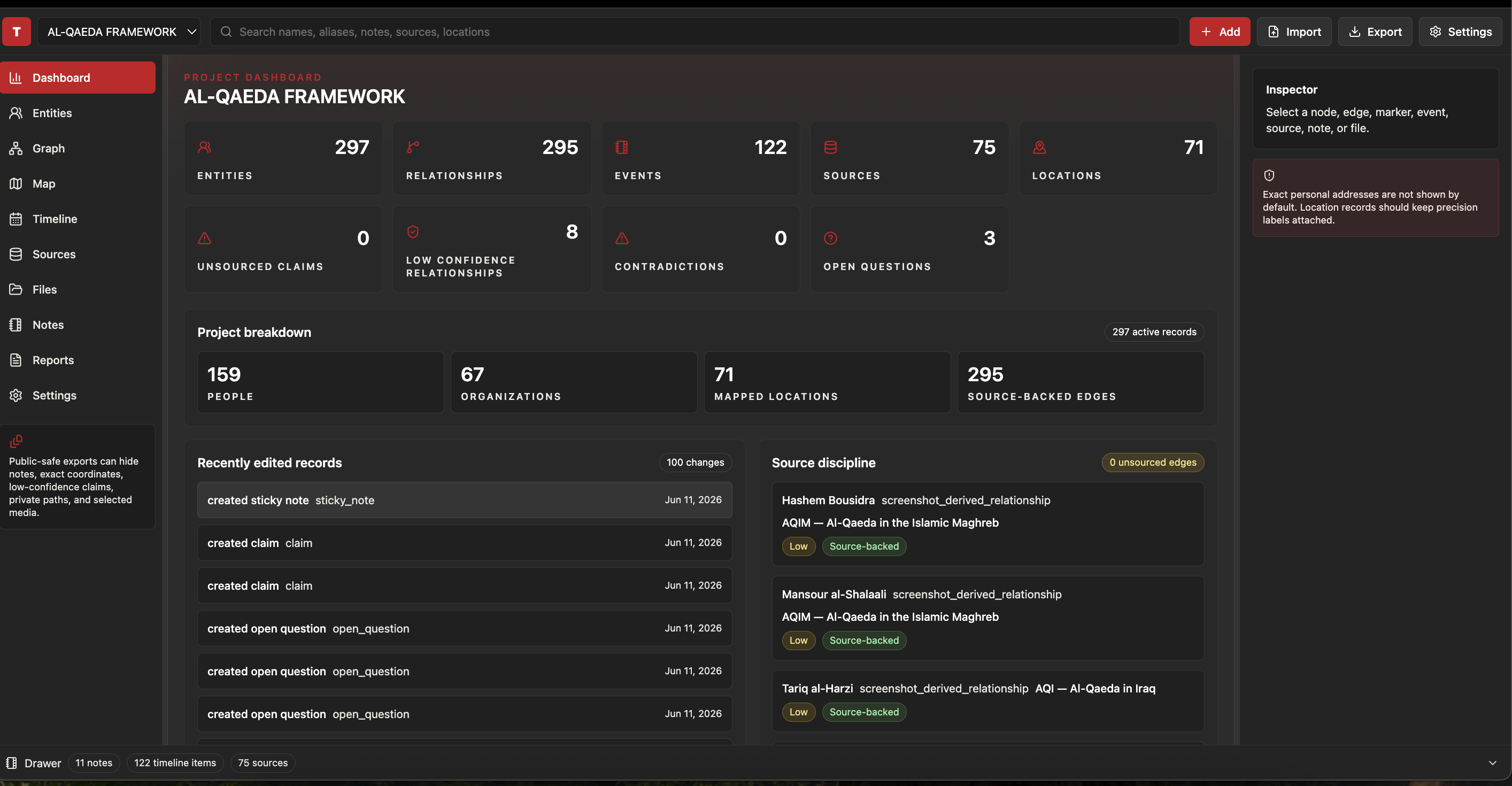
A public-source intelligence hub for global threat awareness, sanctions monitoring, event intelligence, and analyst-ready reporting. SIGNALIS combines source collection, watchlists, scoring, entity mapping, and structured analysis into one modular platform. In my view, SIGNALIS matters because the modern information environment moves faster than any one person can reasonably follow. Government releases, RSS feeds, sanctions updates, cyber advisories, conflict reporting, and regional news all come from different places and follow different formats. Some sources are valuable. Some are repetitive. Some are weak. Some are just noise. Without a structured system, important developments can get buried underneath low-value information that takes up time without adding much understanding.
SIGNALIS is not meant to replace human judgment. That is an important part of the project. Intelligence work still requires interpretation, context, caution, and personal responsibility. The platform is meant to support that judgment by creating a stronger information environment around it. Instead of asking an analyst to chase every feed manually, the system builds a workflow that helps answer the basic but serious questions: what happened, where did it happen, who is involved, why does it matter, and what could happen next?
That is the purpose of the project. It is a technical system, but it is also an analytical one. It connects computer science with political science, international relations, OSINT, sanctions research, terrorism studies, cyber-risk awareness, and global security. More than anything, it is built around the idea that good analysis starts with organized information and disciplined source handling overall too.
The reason for building SIGNALIS comes from a problem that feels pretty obvious once you actually look at how global information moves. Everything is separate. A sanctions update may sit in one database, a cyber advisory may be released by a government agency, a conflict report may appear through a news feed, and a political decision may only show up through an official statement. All of these things can matter, but they are rarely organized in a way that helps someone understand the larger pattern.
That is where the project starts. SIGNALIS is built to reduce the gap between information and analysis. It does this by collecting public-source material from legally accessible places like RSS feeds, GDELT-style event streams, OFAC sanctions data, government releases, and security advisories. Once that information enters the platform, it is not treated as random text. It gets normalized into a consistent event format with source name, source ID, country, region, topic, publication date, collected date, entities, tags, and risk indicators.
This matters because structure changes how information can be used. A normal news feed can tell you what was published. SIGNALIS is meant to help show what changed, what connects, and what deserves attention. A maritime incident near the Red Sea, a new sanctions designation, or a cyber advisory tied to a known actor should not sit in isolation if it connects to a broader pattern.
At the same time, the system has to be careful. More data does not automatically mean better judgment. In some cases, it can make judgment worse by overwhelming the person trying to analyze it. So the project is designed around discipline: collect responsibly, preserve useful metadata, reduce weak records, and keep the information that helps build serious research and reporting. That balance is the foundation of SIGNALIS itself overall.
One of the main parts of SIGNALIS is the Source Registry. This is the system that keeps collection professional instead of random. Every source has to be tracked by name, source ID, type, country, region, active or inactive status, collection interval, cooldown rules, reliability, and failure history. That sounds technical, but the point is simple. A serious platform should know where its information comes from, how often that source should be checked, and whether that source is still working.
Without something like this, a project can quickly become messy. Collectors can hit the same APIs too often, scrape the same feeds without discipline, or continue pulling from sources that are broken or no longer useful. The Source Registry creates order by giving every source a controlled place inside the system. It also makes the platform more accountable because source health, reliability, and failures are tracked over time.
The Collector Orchestrator builds on that structure. It rotates sources based on when they are due, respects cooldowns, and prevents the system from hammering public feeds or APIs too aggressively. In my view, this is one of the more important design choices because it keeps the project from becoming careless. Public-source collection should be legal, responsible, and sustainable. Just because something is publicly available does not mean the system should collect it recklessly.
After collection, incoming records are stored with their key metadata preserved. Titles, URLs, source names, language, country, publication dates, collection dates, and source IDs all matter. They allow the platform to trace information back to where it came from and compare it against other records. That kind of structure turns SIGNALIS from a basic feed collector into a working intelligence environment where events can actually be searched, scored, filtered, connected, and used for analysis. That is the real difference here.
The Watchlist Engine is where SIGNALIS becomes more focused. Instead of treating every global event as equally important, the system watches specific regions, actors, topics, and risk areas. These can include the Red Sea, Yemen, the Houthis, Iranian drones and missiles, Russia and Eastern Europe, European terrorist networks, sanctions evasion, aviation incidents, maritime chokepoints, cyber threats, cartel violence, political instability, terrorist network families, and many more topics and risk areas I find important.
This matters because attention is limited. An analyst cannot treat every update the same way. Some events are routine. Others may point toward escalation, new capabilities, or a larger pattern forming over time. Watchlists give the system a way to match incoming events against keywords, entities, regions, actors, and risk topics. So if a source reports a new sanctions evasion case involving shipping networks, or a cyber advisory tied to a known threat actor, SIGNALIS can flag that event as more relevant.
The Signal Scoring Engine adds another layer. It ranks events based on relevance, severity, novelty, source quality, actor importance, geographic importance, and escalation potential. In practice, this helps the system decide what deserves attention first. A single minor story may not matter much, but multiple sources reporting movement around a maritime chokepoint or a new OFAC designation tied to a known network could be much more important.
The Noise Filtering Engine works with this same logic. Its job is to separate useful signals from low-value global noise. It can reduce, archive, or remove records that do not add much value while preserving official records, sanctions updates, high-risk events, and watchlist matches. This is important because the goal is not to save everything. The goal is to preserve what helps create better judgment, stronger research, and clearer analytical writing. In that sense, filtering becomes just as important as collection inside the overall platform itself too.
Another major part of SIGNALIS is the OFAC and Sanctions Monitor. Sanctions are not just legal records sitting in a database. They often point toward larger networks of finance, logistics, state pressure, illicit trade, companies, individuals, aliases, and political relationships. A new sanctions designation can say a lot about how governments understand a threat, who they believe is connected, and where enforcement pressure is being applied.
SIGNALIS is meant to track sanctioned individuals, organizations, aliases, countries, programs, and related identifiers, then connect those records to broader geopolitical reporting. This is important because sanctions rarely exist in isolation. A sanctioned company may connect to shipping activity, a political actor, a logistics route, a terror group, or a state-backed network. If those records can be tied to events and source documents, they become much more useful for research.
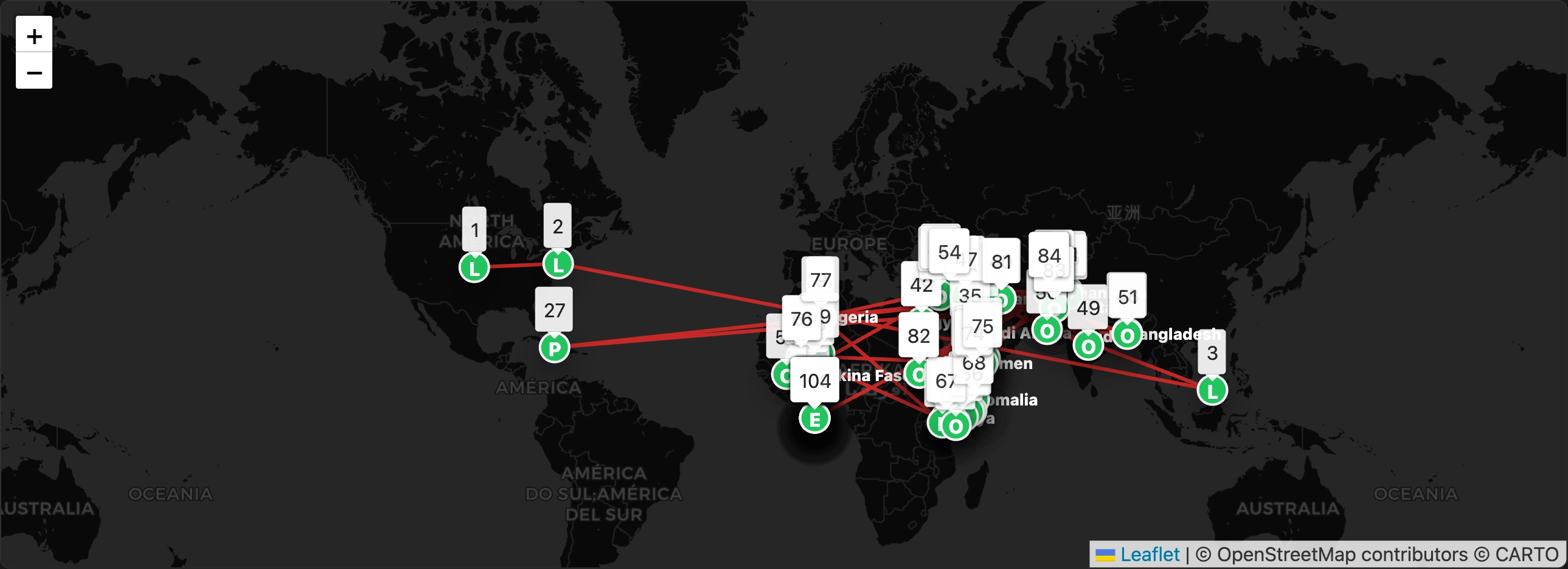
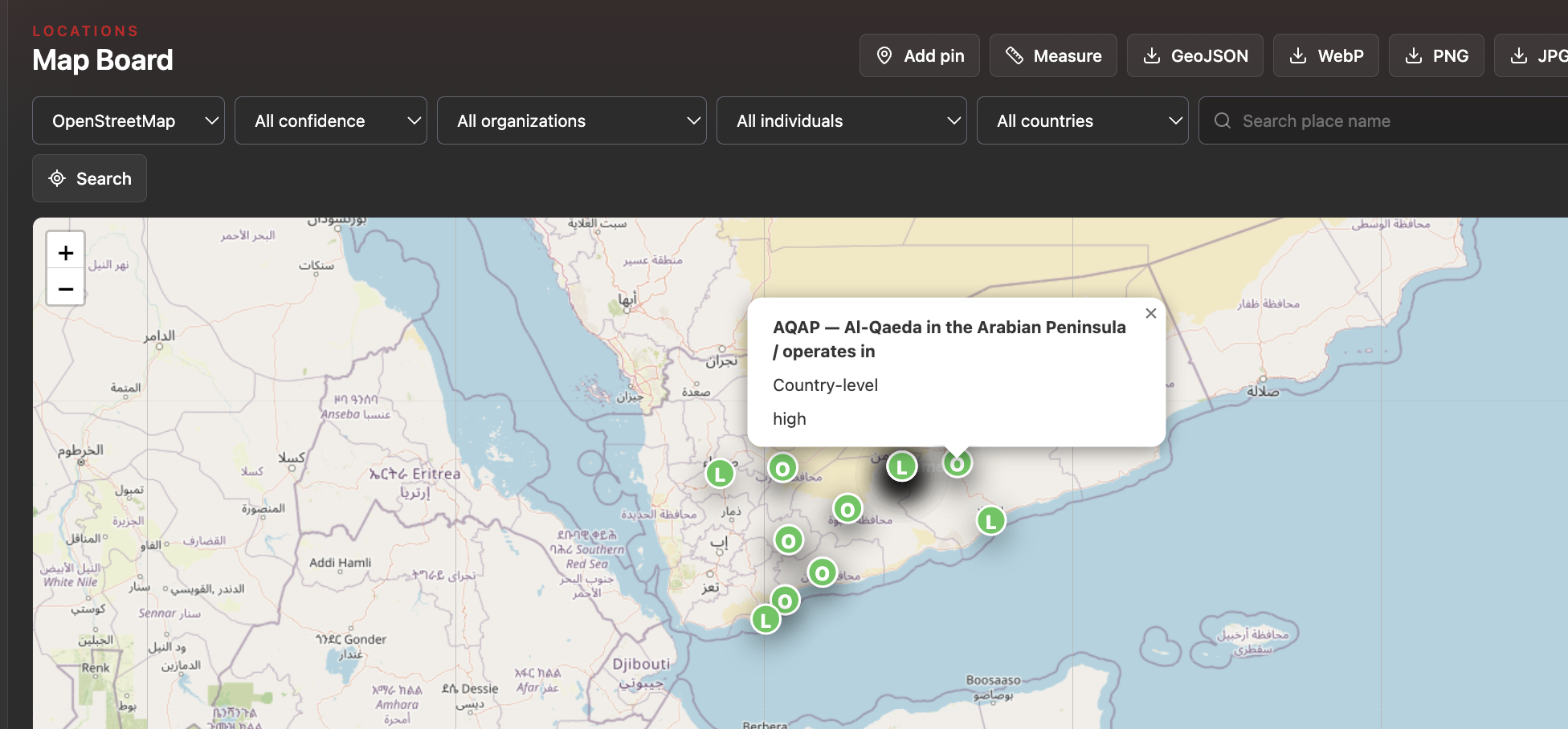
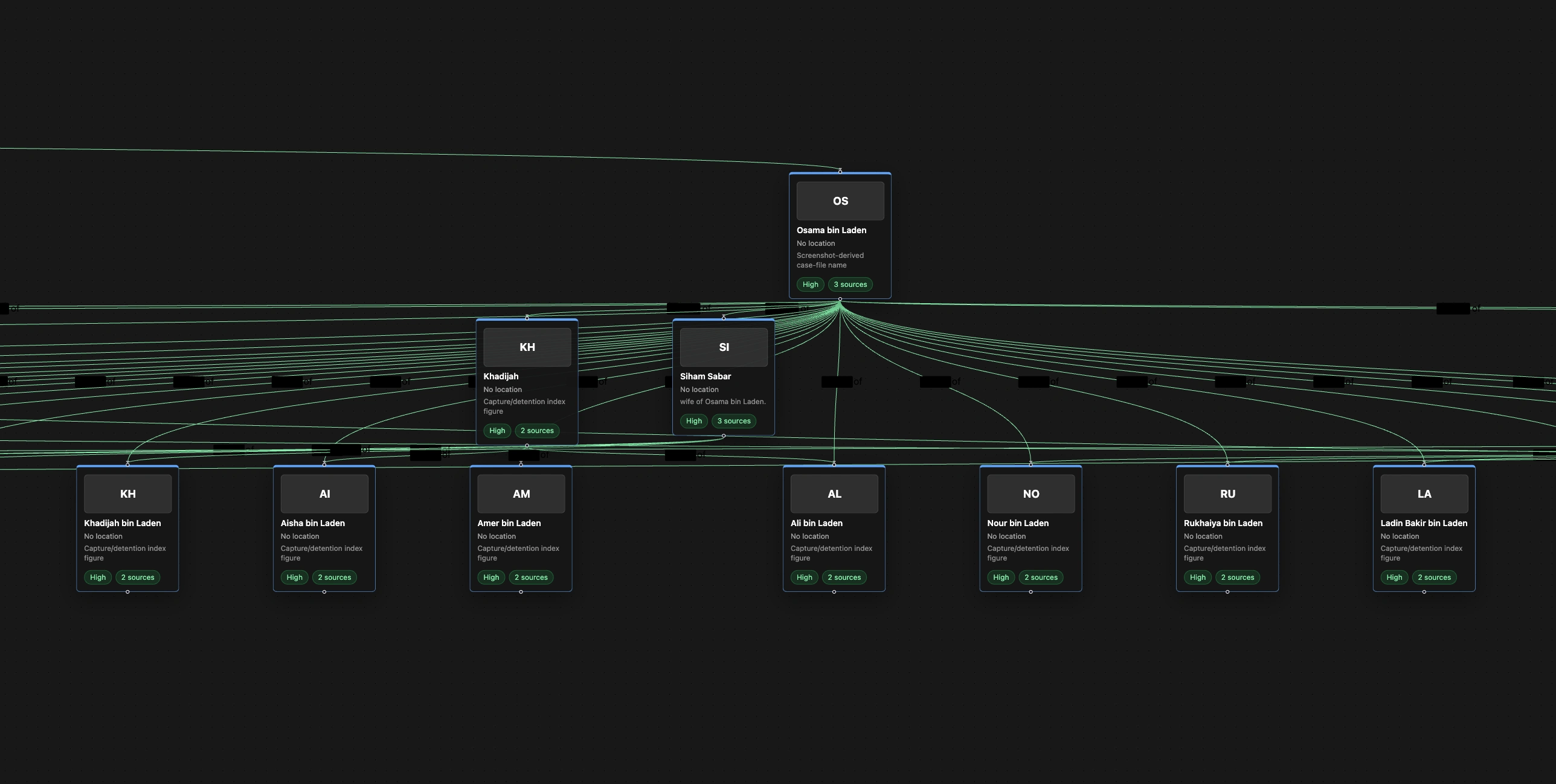
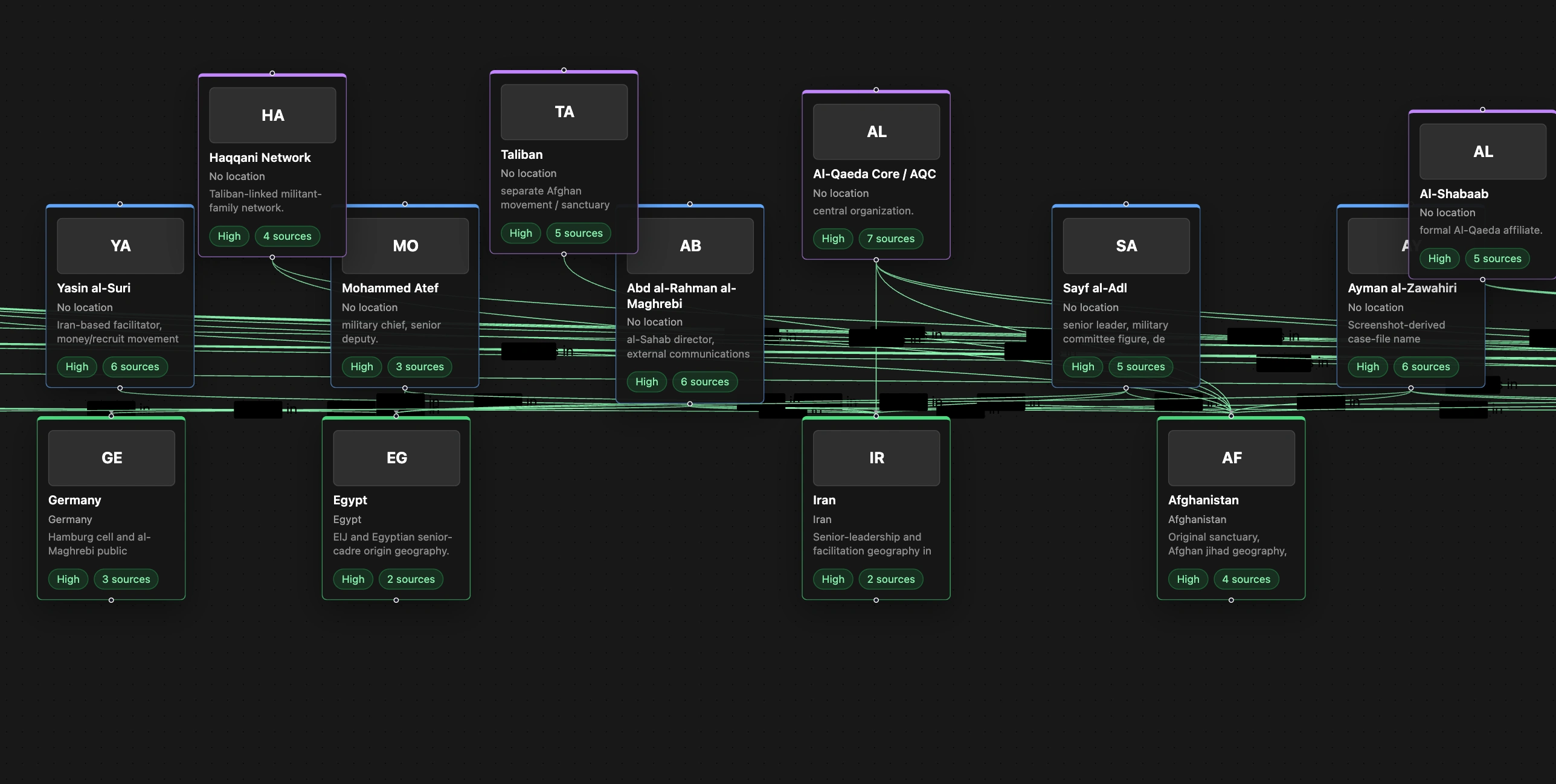
The EntityGraph is built around that idea. It maps relationships between people, organizations, countries, events, locations, source documents, and sanctions records. In my view, this is where the project becomes more serious analytically. Instead of reading one event at a time, the system can start showing relationships across time and space. That helps with questions involving sanctions evasion, terrorist networks, maritime routes, political actors, or conflict patterns.
The Semantic Archive adds long-term memory to the platform. High-value events, source material, analyst notes, entity records, and historical patterns can be stored and searched later. This makes it possible to ask questions like what changed in Red Sea reporting this week, what recent reports mention Iranian drone capability, or which sanctions stories involve shipping networks. That kind of search is valuable because it turns past collection into future insight. It keeps the project from being only a daily monitoring tool and gives it a deeper research function. That is where memory becomes analysis over time too.
The final purpose of SIGNALIS is to support both technical collection and serious writing. That is the part that makes the project personal for me. I am not building it only as a software project, and I am not building it only as a political science project. It sits between both. The platform connects computer science with international relations, OSINT, global security, sanctions, terrorism, cyber threats, and political risk analysis.
The Analyst Workspace makes that connection practical. It will support saved events, notes, case files, timelines, tags, source-linked research, and records. That gives the analyst a place to move from raw events into actual interpretation. A system can collect information, but a person still has to make sense of it. That is why the workspace matters.
The Brief Generator builds on that by turning structured events into daily briefs, watchlist summaries, country briefs, sanctions updates, actor profiles, threat assessments, strategic outlooks, and intelligence-style reports. These reports can include an executive summary, key judgments, timeline, relevant actors, source notes, confidence level, implications, outlook, and collection gaps. In practice, this helps turn information into writing that is clear, organized, and useful.
The Dashboard and Admin Console will help manage the system itself. It can show source health, collection status, watchlist matches, alerts, report activity, archive records, and performance. Over time, the system can also support alerts when a risk score crosses a threshold, a watchlist spikes, a new OFAC entity appears, or multiple sources report the same strategic event.
That being said, SIGNALIS is not a surveillance tool, private targeting system, or unauthorized collection platform. It is built around public-source data, legal use, attribution-aware research, and ethical OSINT limits. In the end, the goal is awareness with discipline: identify what matters, organize it clearly, and turn it into serious analysis over time.