THE AL-QAEDA FRAMEWORK
by Tobin Albanese
Volume 0 Fri May 29 2026
A research framework examining al-Qaeda’s shift from centralized command to decentralized affiliate networks shaped by local insurgencies, ideological continuity, and fragmented conflict zones.
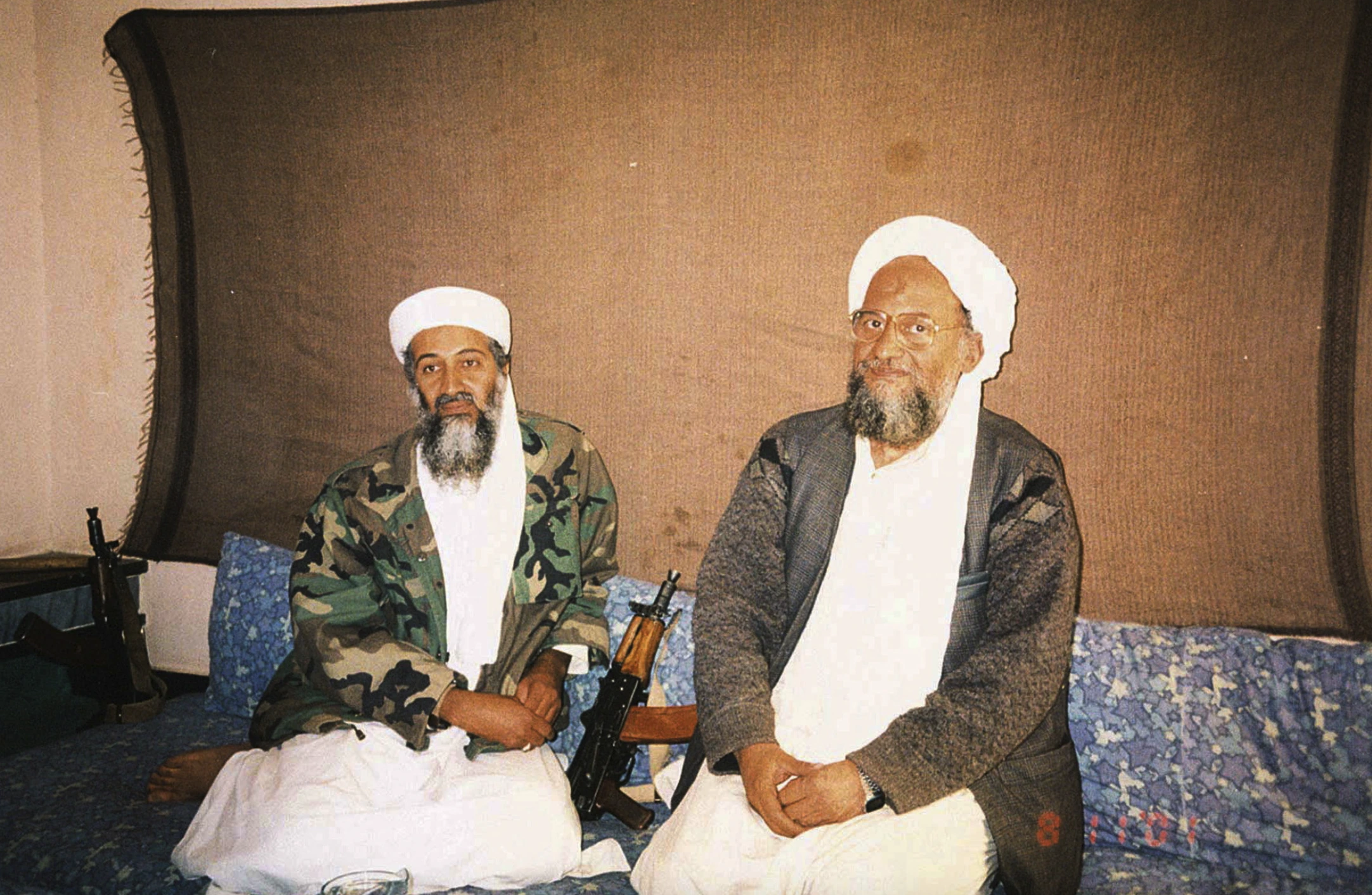
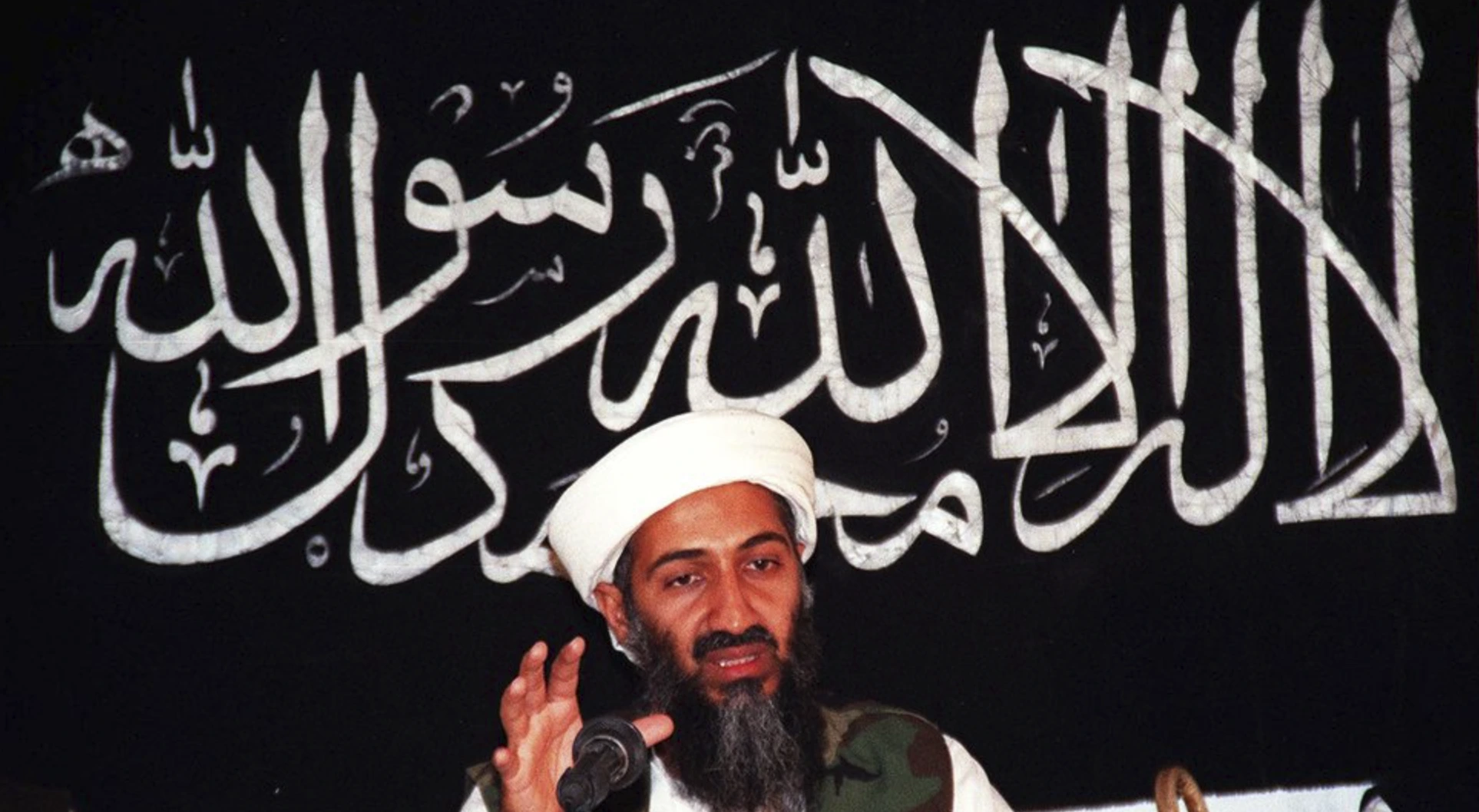
The Al-Qaeda Framework is a planned terrorism research project focused on understanding al-Qaeda not only as a historical terrorist organization, but as an adaptive structure for ideological and insurgent endurance. That distinction matters. A weaker version of this project would treat al-Qaeda as something mainly tied to the September 11 era, the leadership of Osama bin Laden, or the earlier period of centralized operational planning from Afghanistan and Pakistan. But that approach misses the more important analytical question. The stronger question is how al-Qaeda has continued to matter even after years of counterterrorism pressure, leadership losses, competition from the Islamic State, and the collapse of ISIS’s territorial caliphate. In my view, al-Qaeda’s relevance after the height of ISIS cannot be measured only by spectacular attacks or by whether the central organization looks as powerful as it once did. That is too narrow. The better way to understand al-Qaeda is as a decentralized terrorism framework: a network held together by ideology, affiliate relationships, local conflict environments, and long-term strategic patience. The National Counterterrorism Center describes al-Qaeda as having evolved from its pre-9/11 base in Afghanistan and Pakistan into a dispersed global network of affiliates and supporters, while also noting that its central leadership has been weakened and that counterterrorism pressure has reduced its ability to conduct attacks against the United States and U.S. interests. That tension is exactly what makes the project interesting. Al-Qaeda is weakened in one sense, but still persistent in another. It is no longer the same vertically structured organization people often imagine, but it has not disappeared either. It has adapted.
The central argument of this project is that al-Qaeda’s post-caliphate resilience comes from four main pillars: ideological continuity, affiliate-based expansion, local embedding, and strategic patience. These pillars help explain why the organization survived even when its central leadership was degraded and when ISIS temporarily overtook it in visibility, recruitment appeal, media dominance, and territorial ambition. Al-Qaeda’s model is often less visible than ISIS’s state-building project, but that lower visibility may actually be part of its durability. ISIS declared a caliphate in 2014 and controlled large areas in Iraq and Syria before an international coalition retook its last overt stronghold in Syria in 2019. That territorial model gave ISIS power, attention, and recruitment value, but it also made the group more exposed to military pressure. Al-Qaeda’s model has often moved in a different direction. It has emphasized affiliation, local conflict adaptation, and gradual influence rather than immediate state-building. This does not make al-Qaeda harmless. It makes the threat harder to measure. In some ways, that is the point of this research. A movement can lose public attention and still remain strategically relevant through regional branches, local alliances, and a broader ideological identity that survives beyond any single leader.
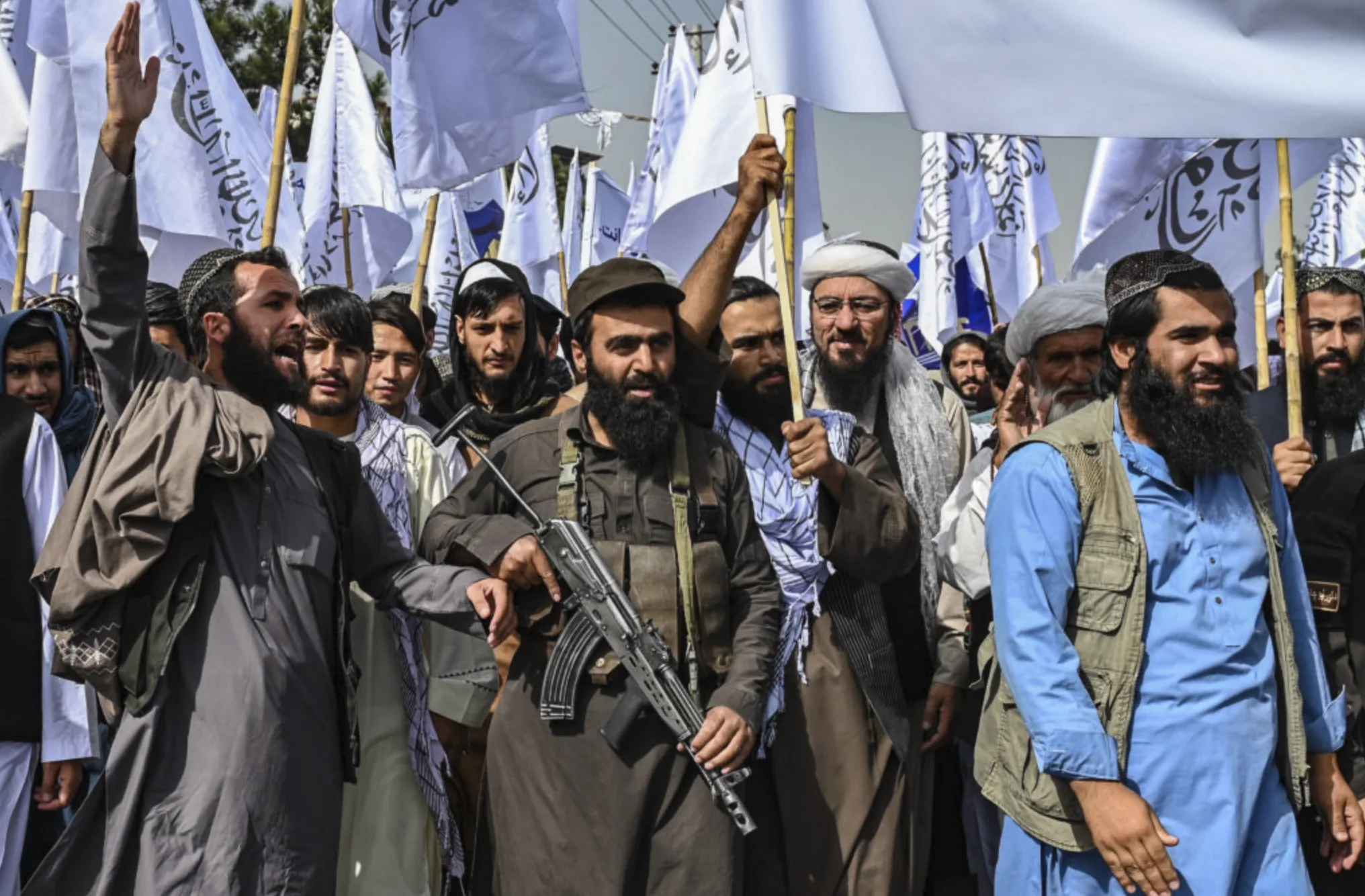
Al-Qaeda’s development has to be understood as a structural transition. In its earlier period, especially before and around 9/11, al-Qaeda was more closely associated with a central leadership base, training infrastructure, and direct operational planning. That older model is still important historically, but it does not fully explain the organization today. Over time, and especially after the U.S.-led counterterrorism campaign disrupted its leadership and sanctuary, al-Qaeda increasingly depended on a distributed network of affiliates. The Combating Terrorism Center at West Point describes al-Qaeda today as no longer a hierarchical organization with charismatic leadership, but a decentralized network of franchise groups spread across Africa, the Middle East, South Asia, and beyond. That point gives this research project its foundation. Al-Qaeda’s structure changed because pressure forced it to change. The organization did not expand from pure strength. In many ways, it expanded because centralized control became too vulnerable. Franchising and affiliate relationships gave it a way to survive when central command became harder to maintain.
This matters because decentralization changes how analysts should evaluate the group. If al-Qaeda is judged only by the strength of its central leadership, then it may appear close to irrelevant. There is some evidence supporting that view. A 2024 CTC analysis stated that after Ayman al-Zawahiri’s killing in Kabul, al-Qaeda Central had still not formally acknowledged his death or announced a replacement, which was described as a first in the group’s history. The same analysis also noted that al-Qaeda Central had lost influence, suffered from leadership attrition, and faced real uncertainty over its internal structure. That being said, the same source warned against writing the organization off because it has repeatedly survived pressure through its affiliates and followers. This is where the research has to stay intellectually honest. Al-Qaeda Central is clearly not operating with the same strength it once had. But central weakness does not automatically mean network collapse. In fact, the organization’s affiliate model was partly designed to prevent that kind of single point of failure.
From my perspective, this is one of the most important analytical lessons. Counterterrorism pressure can weaken leadership, disrupt communication, and reduce external attack planning, but it does not always destroy the broader movement if that movement has already embedded itself through regional branches. Al-Qaeda’s affiliates now conduct most of the network’s operational activity, according to the NCTC, and those affiliates include AQAP in Yemen, AQIM and JNIM in the Sahel, al-Shabaab in Somalia, and AQIS in Afghanistan and Pakistan. The same NCTC profile notes that al-Qaeda exploits under-governed areas, regional conflicts, and local grievances for recruitment and resources. That is not a random detail. It is the structural logic of the network. The weaker the state, the more space there is for a group like this to operate through local grievances while still connecting itself to a larger ideological brand.
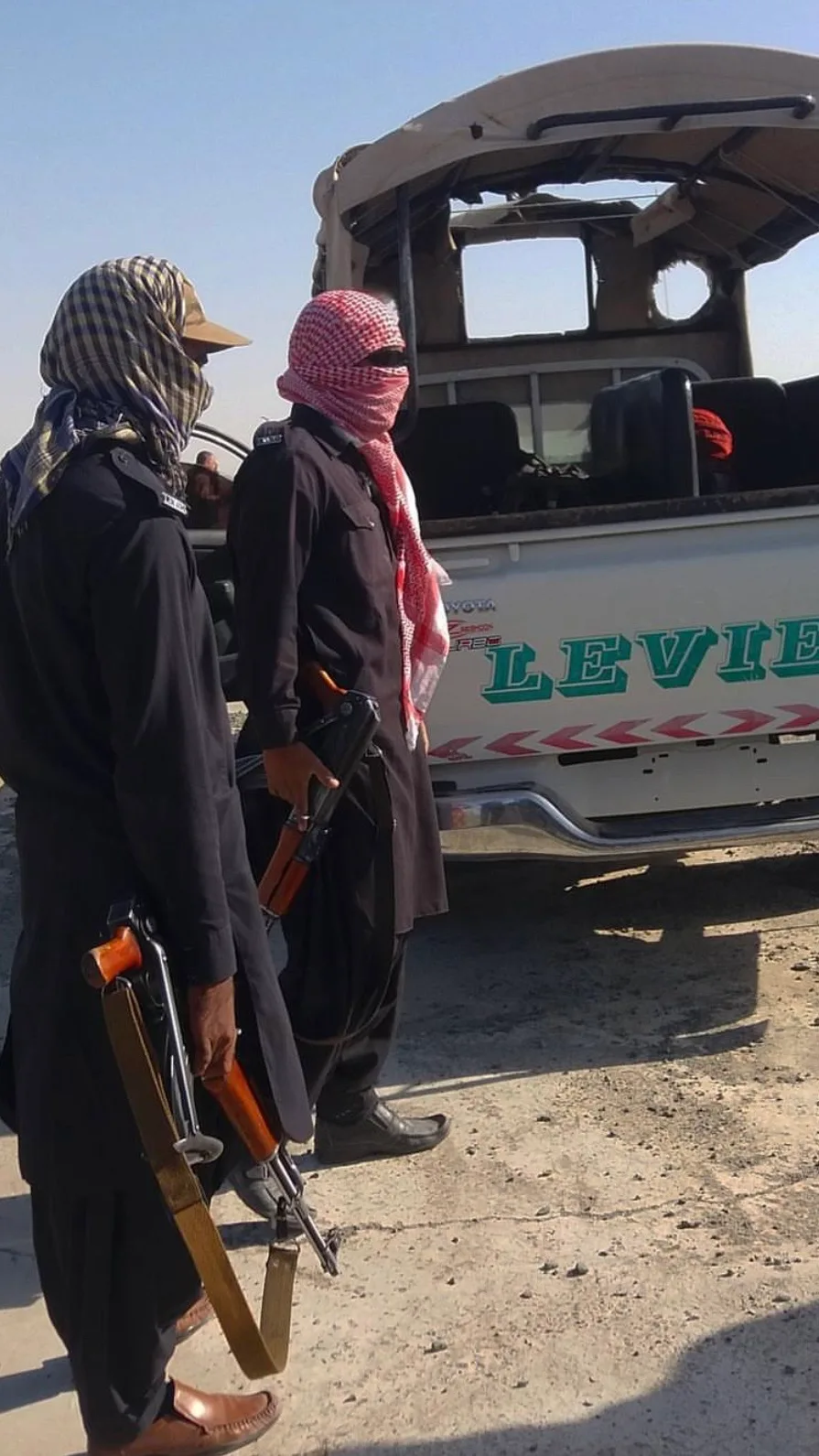
The decline of ISIS’s territorial caliphate created a different environment for global jihadist movements. ISIS’s rise changed the center of gravity of jihadist politics for several years because it offered something al-Qaeda had not been able to produce in the same visible way: territorial control, administrative structures, propaganda spectacle, and the claim of a restored caliphate. The NCTC notes that ISIS declared itself a caliphate in 2014 after taking large areas in Iraq and Syria, and that its last overt stronghold in Syria was retaken in 2019. That loss did not destroy ISIS completely, since the group still operates through branches and clandestine networks, but it did discredit the idea that rapid state-building could be sustained under intense military pressure. This creates a useful comparison for the project. ISIS’s model was powerful because it was visible. It was also vulnerable because it was visible.
Al-Qaeda’s quieter model looks different. It does not always seek immediate attention, and it has often benefited from letting local affiliates take shape according to their specific conflict environments. In a 2025 CTC assessment, scholars argued that al-Qaeda has not conducted spectacular external operations for many years and has instead focused on patiently rebuilding, forming relationships with regional affiliates, and championing grievances that are often locally focused. That phrasing matters because it supports the project’s central argument about strategic patience. Al-Qaeda has often chosen endurance over fast expansion. It has accepted less visibility in exchange for longer survival. This is not a moral distinction, and it does not make al-Qaeda less violent. It simply means the organization’s strategic logic is different from the ISIS caliphate model.
This also explains why al-Qaeda can seem less dangerous in the short term while remaining important in the long term. The 2026 U.S. Annual Threat Assessment stated that al-Qaeda and ISIS remain weaker than they were at their respective peaks, but that they still operate in a geographically diverse environment and continue to pose threats, especially overseas in parts of Africa, the Middle East, and South Asia. The assessment also noted that both groups exploit political instability and ungoverned territory as they try to rebuild capabilities and leadership. In other words, weakness at the center does not remove the structural conditions that allow these movements to survive. That is the part that stands out to me. Terrorist organizations do not only survive because of charismatic leaders. They survive when conflict environments keep producing openings for them. Weak governance, civil war, poor security capacity, corruption, local grievances, and regional instability all create the conditions where a decentralized group can continue operating even without a strong central command.

Al-Qaeda’s first pillar of survival is ideological continuity. This does not mean every affiliate acts the same way or prioritizes the same targets. In fact, one of the main tensions in the al-Qaeda network is that affiliates often have local agendas that do not always match the priorities of central leadership. Still, ideology gives the movement a shared identity. It gives affiliates a broader language for legitimacy, even when their actual operations are shaped by local conditions. The NCTC describes al-Qaeda as a Salafi terrorist group with affiliates across multiple regions and continuing intent to threaten the United States and U.S. interests, even as pressure has reduced its ability to do so. That broader identity matters because it allows regional branches to draw on the al-Qaeda name while still adjusting to local conflicts.
At the same time, ideological continuity is not perfect. This research should not overstate cohesion. A 2025 CTC analysis notes that decentralization can make al-Qaeda more resilient to leadership strikes, but it can also dilute ideological coherence as affiliates focus more on local narratives than the global themes of al-Qaeda Central. That is a real trade-off. Decentralization helps survival, but it can weaken unity. It allows affiliates to adapt, but it also makes the brand harder to control. From my perspective, this is one of the more important tensions to build into the paper. Al-Qaeda’s framework works partly because it is flexible, but that flexibility creates limits. The more local the affiliates become, the harder it is for al-Qaeda Central to claim full strategic control over the movement.
This is where the idea of al-Qaeda as a framework becomes more useful than the idea of al-Qaeda as a single command structure. A framework does not require every branch to follow identical behavior. It provides a general ideological foundation, a reputation, a set of broad goals, and a symbolic lineage that different groups can adopt in different environments. That helps explain why al-Qaeda’s influence can persist even when direct central control is weak. The ideology becomes a form of connective tissue. It is not always strong enough to produce unity, but it can be strong enough to preserve affiliation and identity. In my view, that is a serious analytical point because it makes the threat harder to measure through ordinary organizational charts. The network may look fragmented, but fragmentation does not always equal failure. Sometimes fragmentation becomes the survival method.
The second and third pillars are affiliate-based expansion and local embedding. These two ideas are connected, but they are not identical. Affiliate-based expansion describes the formal or semi-formal network structure: regional branches, pledges of loyalty, brand association, and broad ideological alignment. Local embedding describes how those affiliates survive inside specific conflict environments. The NCTC profile states that AQAP is based in Yemen, AQIM and JNIM are based in Mali, al-Shabaab is based in Somalia, and AQIS is based in Afghanistan and Pakistan. These affiliates do not operate in identical political environments, which is exactly why local adaptation matters. A Yemen-based affiliate faces different tribal systems, civil war dynamics, state weakness, and regional pressures than an affiliate in Somalia or the Sahel. The al-Qaeda brand may provide legitimacy, but the day-to-day survival of each affiliate depends on local conditions.
Al-Shabaab is a strong example of this logic. The NCTC describes al-Shabaab as a Sunni Islamic terrorist group that publicly pledged loyalty to al-Qaeda in 2012 and seeks to overthrow the Somali Federal Government, expel foreign forces, and establish a fundamentalist Islamic state. That affiliation matters, but al-Shabaab’s strength cannot be explained only by al-Qaeda’s global ideology. It also depends on Somalia’s political fragmentation, local governance gaps, clan dynamics, coercive taxation, insurgent administration, and the group’s ability to operate inside a weak-state environment. The U.S. State Department’s 2023 terrorism reporting stated that al-Shabaab remained a major threat in Somalia and the region, despite pressure from the Somali government, neighboring states, the African Union, and international partners. This supports the broader argument that al-Qaeda affiliates survive when they become more than outside terrorist brands. They become embedded actors inside local conflicts.
JNIM in the Sahel is another important case study because it shows how al-Qaeda-linked groups can merge global ideological language with local insurgent realities. The NCTC notes that JNIM formed in 2017 through the merger of several Mali-based extremist groups and that its leader pledged allegiance to AQIM, al-Qaeda, and the Taliban. The group seeks to build a Salafi-Islamist state in West Africa and expel Western influence from the region. This is exactly the kind of affiliate structure the project should examine. JNIM is connected to al-Qaeda, but it also operates inside the specific politics of Mali, Burkina Faso, Niger, and the wider Sahel. The Sahel has become one of the most serious regions for terrorism globally; the UN Secretary-General told the Security Council in November 2025 that the Sahel accounted for half of global terrorism deaths and had become a global center of violent extremism. That does not mean every group in the region is al-Qaeda-linked, but it does show why the local environment matters so much. Where state authority is weak and violence is already widespread, al-Qaeda-linked groups can attach themselves to existing instability.
AQAP also fits the framework, but in a different way. The NCTC describes AQAP as advocating the overthrow of the Saudi and Yemeni governments and supporting al-Qaeda’s goal of attacking the United States. It also notes that AQAP’s last attack in the United States was in December 2019, when an associate of the group killed three U.S. servicemembers and injured others at Naval Air Station Pensacola. Yemen’s civil conflict and security vacuum have allowed AQAP and other armed actors to operate in a highly fragmented environment. The State Department’s 2023 Yemen terrorism report stated that AQAP and ISIS-Yemen continued to exploit the political and security vacuum created by Yemen’s civil conflict. For this research project, AQAP is useful because it links local insurgent survival with the continuing question of external intent. That combination makes it analytically significant even when its capabilities fluctuate.
Strategic patience is probably the most important concept in the project. Al-Qaeda’s survival cannot be explained only by decentralization. Many decentralized groups collapse, fracture, or become locally irrelevant. What makes al-Qaeda’s model more durable is the way decentralization is paired with patience. CTC’s 2025 analysis argues that al-Qaeda has focused on patiently rebuilding, developing relationships with affiliates, and aligning itself with locally focused grievances. The same article also states that al-Qaeda has generally been focused on the long game and that its approach to territorial control is more gradualist than the Islamic State’s. This point should become one of the backbone arguments of the paper. Al-Qaeda has often avoided the kind of premature state-building that made ISIS visible and militarily targetable.
This does not mean al-Qaeda rejects governance forever. It means its approach has often been slower and more cautious. ISIS tried to make the caliphate physically real in Iraq and Syria. That gave it a dramatic propaganda advantage, but it also made its infrastructure, leadership, revenue systems, and territorial boundaries easier to attack. Al-Qaeda’s affiliate model is different because it does not always require immediate territorial declaration. It can work through insurgent influence, local alliances, shadow governance, social pressure, and gradual control. That makes it harder to define when al-Qaeda is “winning” or “losing.” With ISIS, territorial maps could show expansion and collapse. With al-Qaeda, influence is often more uneven and harder to measure. It may appear through local recruitment, intimidation, alliance networks, ideological messaging, or the ability to survive repeated security operations.
In my view, this is where intelligence analysis has to be careful. The absence of spectacular activity does not always equal strategic defeat. It may reflect weakness, but it may also reflect restraint, rebuilding, or local prioritization. This is why the project should avoid writing al-Qaeda off simply because it has received less public attention than ISIS. The 2026 U.S. intelligence assessment states that counterterrorism operations have degraded the ability of al-Qaeda and ISIS to quickly rebuild leadership and launch large-scale attacks, but it also states that these groups continue to exploit instability and ungoverned territory. That combination matters. Degradation is real. Persistence is also real. Both can be true at the same time.
The comparison with ISIS should not be written as a simple “al-Qaeda is patient, ISIS is reckless” argument. That would be too clean, and real terrorist organizations are not that simple. ISIS also adapted after territorial loss and continues to operate through branches and supporters. The NCTC states that ISIS remains a global enterprise with branches and networks in Africa, Asia, and the Middle East, even after losing its last overt stronghold in Syria in 2019. So, both al-Qaeda and ISIS now operate through distributed structures in some form. The difference is that ISIS’s modern decentralization came after the collapse of its territorial caliphate, while al-Qaeda’s affiliate-based model became central much earlier as a response to sustained counterterrorism pressure and the need for organizational survival.
ISIS’s caliphate model was built around spectacle, territorial administration, symbolic momentum, and the claim that it had actually restored state-like authority. That made it highly attractive to some recruits during its peak, but also created a massive target. Al-Qaeda’s model is usually less theatrical and more embedded. It is not necessarily less violent, but it is more willing to operate through local grievances and slow accumulation of influence. CTC’s analysis states that al-Qaeda’s communications stand in contrast with the Islamic State’s highly developed multimedia productions, and that al-Qaeda appears to be positioning itself as a long-term alternative to ISIS while avoiding some of ISIS’s missteps and backlash. That distinction is useful because it shows that the groups are competing not just over violence, but over strategy, legitimacy, and time.
From my perspective, the comparison reveals a broader lesson about modern terrorism. Centralized control can produce speed, coherence, and visibility, but it also increases exposure. Decentralization can produce resilience, local adaptation, and survivability, but it also creates problems of command, ideological drift, and brand control. ISIS and al-Qaeda represent different answers to the same strategic problem: how does a violent non-state actor survive, recruit, and project influence under pressure from states? ISIS answered through rapid territorial realization and spectacle. Al-Qaeda has often answered through patience, affiliation, and local embedding. Neither model is stable in a permanent sense, but each reveals something about how terrorism adapts to pressure.
The main analytical implication is that al-Qaeda should be studied as a long-term strategic threat rather than as a movement that simply faded after the rise of ISIS. This does not mean exaggerating its strength. The evidence does not support the claim that al-Qaeda Central is as capable as it was before 9/11. It is not. Leadership losses, surveillance, international cooperation, sanctions, military pressure, and internal uncertainty have all reduced its capacity. The NCTC and ODNI both describe al-Qaeda as weakened from its peak. But the research should argue that the group’s strength now comes less from central control and more from network endurance. That is a different kind of threat, and it requires different measurement.
This matters for intelligence analysis because analysts have to evaluate organizations that may be degraded at the center but still influential through affiliates. The ordinary categories of strong or weak are not enough. Al-Qaeda may be weak in terms of centralized command and global attack tempo, but stronger in terms of local embedding and network survival. It may be less visible in Western public debate, but more rooted in parts of Africa, Yemen, and South Asia. It may lack a clear public leader, but still benefit from the long-term identity of the al-Qaeda brand. This is what makes the framework valuable. It gives the portfolio a research project that is not just about terrorism history, but about adaptation under pressure.
The project also connects to broader themes in political violence and non-state actor studies. Al-Qaeda’s survival shows how weak states, civil wars, local grievances, and regional instability can create space for violent movements to persist. It also shows why leadership decapitation can be effective but incomplete. Removing leaders can disrupt planning and weaken legitimacy, but a networked organization can sometimes absorb those losses if affiliates have enough autonomy and local resources. This is not an argument against counterterrorism pressure. It is an argument for understanding its limits. A strategy that only targets central leadership may reduce immediate threats while leaving affiliate ecosystems intact.
The Al-Qaeda Framework should ultimately argue that al-Qaeda’s greatest strength may be its ability to survive as a framework rather than as a single centralized organization. That is what makes it difficult to assess. Al-Qaeda is not simply the organization it was in 2001, and treating it that way creates a distorted picture. It has been weakened, pressured, fragmented, and overshadowed. At the same time, it has preserved relevance through ideological continuity, affiliate-based expansion, local embedding, and strategic patience. These features allow the movement to persist across different political environments even when central leadership is degraded.
In my view, this is the strongest direction for the research project because it moves beyond the surface-level question of whether al-Qaeda is “back” or “gone.” The more important question is how an organization can remain strategically relevant while becoming less centralized, less visible, and harder to measure. That question matters not only for al-Qaeda, but for terrorism studies more broadly. Modern violent non-state actors do not always survive by holding territory or maintaining strict command structures. Sometimes they survive by becoming networks, brands, alliances, and local insurgent partners. Al-Qaeda’s post-caliphate relevance comes from that exact model. It is not always obvious, and that is part of the problem. A lower-profile organization can still matter when it is embedded in conflicts that are not going away.
For the full paper, the next step would be to develop this framework through case studies. AQAP, JNIM, al-Shabaab, AQIS, and the historical relationship between al-Qaeda and Syrian jihadist movements would each show a different part of the model. Together, they would help explain how al-Qaeda’s structure changed over time and why that structure still matters for counterterrorism, intelligence analysis, and the study of political violence. The project should stay careful, source-backed, and focused on organizational behavior rather than tactical detail. That keeps the research serious. It also keeps the argument grounded in the real analytical issue: al-Qaeda’s relevance is not only about what the central organization can do today, but about how the framework it created continues to survive through affiliates, local conflicts, and long-term strategic adaptation.
Gallery Images
Resources & Links
U.S. Intelligence / Counterterrorism Sources
Academic / Terrorism Studies Sources
U.S. State Department Sources
- Country Reports on Terrorism 2023: Somalia
- Country Reports on Terrorism 2023: Yemen
- Country Reports on Terrorism 2023
- Sahel Now Accounts for Half of Global Terror Deaths, Secretary-General Tells Security Council, Urging Coordinated Action
- Secretary-General’s Remarks to the Security Council on Enhancing Regional Counter-Terrorism Cooperation in West Africa and the Sahel