
WATCHLIST ENGINE

by Tobin Albanese

Volume 0 Thu May 28 2026

A monitoring layer built to turn scattered public-source signals into structured watchlist intelligence.
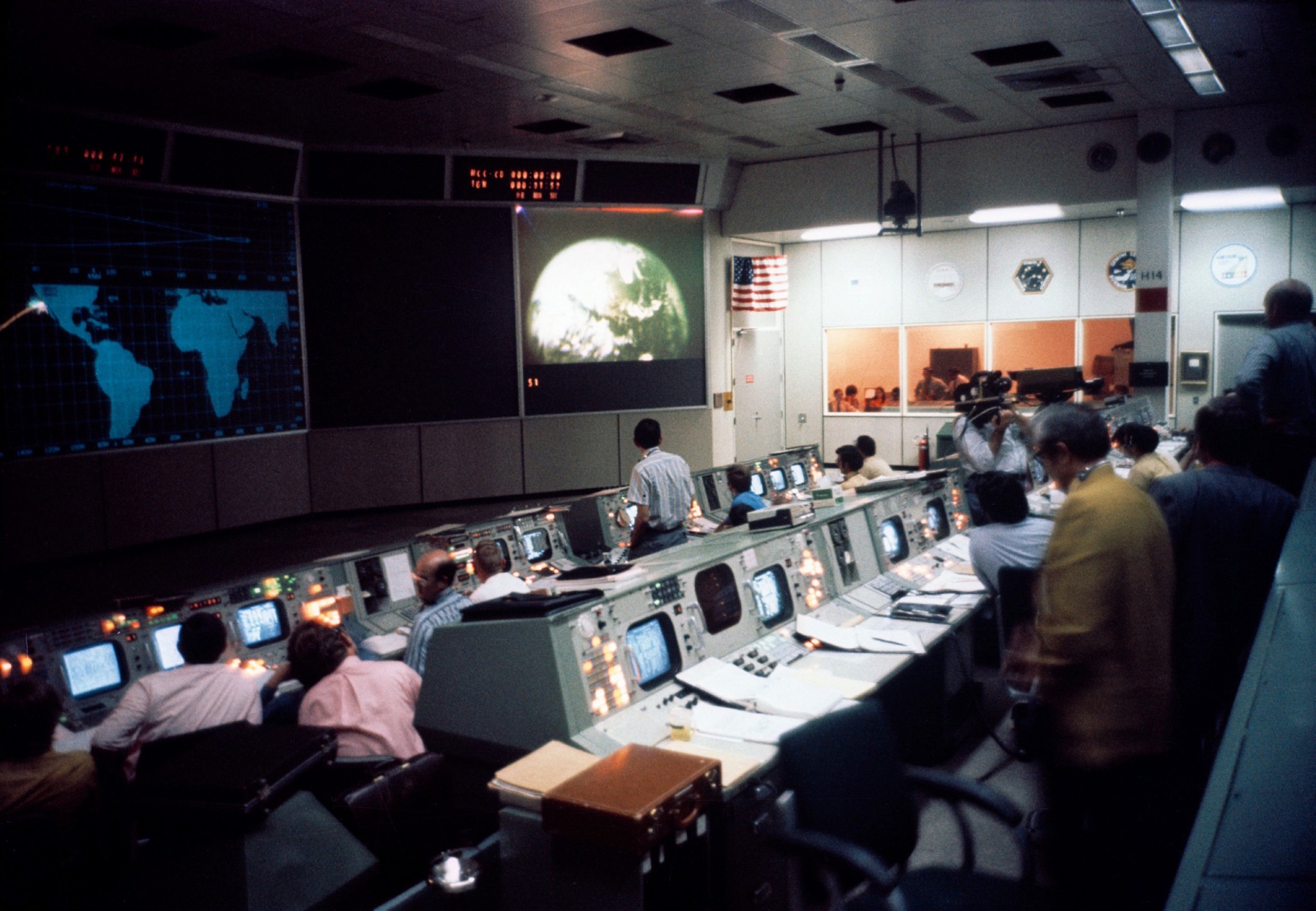

Project Image 1

The Watchlist Engine is an embedded monitoring module inside SIGNALIS Global Intel Hub. Its purpose is to help the platform track specific countries, actors, regions, security issues, sanctions activity, cyber incidents, terrorism-related developments, maritime events, and broader geopolitical risk areas. It is not a standalone project. It sits inside the larger intelligence workflow and helps decide which collected records actually matter. This matters because Global Intel Hub is not just built to collect public-source information. Collection by itself is not enough. A platform can ingest thousands of records from RSS feeds, GDELT, OFAC, sanctions lists, news APIs, and future collectors, but if there is no prioritization layer, the system just becomes a storage environment. That might look useful on the surface, but it does not create structured intelligence. It creates noise. The Watchlist Engine solves that problem by organizing incoming data around defined intelligence priorities. Instead of treating every collected record as equal, the engine allows the platform to compare records against active watchlists. Each watchlist can contain keywords, named entities, organizations, countries, cities, regions, source preferences, exclusion rules, topic tags, and alert thresholds. In practice, this gives Global Intel Hub a way to separate general public-source collection from actual monitoring objectives.

Project Image 2

One of the main problems with public-source intelligence is volume. There is always more information than any analyst or system can reasonably review at once. News articles, sanctions updates, cyber reports, maritime incidents, terrorism alerts, and regional instability reports can all come in at the same time. Without a structured way to filter those records, the platform would have no real method for deciding what deserves attention first. That is where the Watchlist Engine becomes important. From my perspective, an intelligence platform needs more than ingestion. It needs direction. The Collector Orchestrator can bring records into the system, but the Watchlist Engine helps determine whether those records connect to a real intelligence priority. A record about a port disruption, for example, may not matter to every monitoring workflow. But if there is an active maritime watchlist focused on the Red Sea, the Strait of Hormuz, or Russian energy exports, then that same record becomes more relevant. That is the difference between passive collection and structured monitoring. Without this module, analysts would have to manually search through records every time they wanted to track a country, actor, or issue area. That might work for one-time research, but it does not scale for recurring intelligence workflows. The Watchlist Engine gives Global Intel Hub a repeatable way to track ongoing topics over time.

The Watchlist Engine works by defining topic-based watchlists inside the platform. Each watchlist represents a specific monitoring objective. That objective could be a country, such as Iran, Russia, China, Ukraine, or North Korea. It could be a region, such as the Middle East, Eastern Europe, the South China Sea, or the Sahel. It could also be an issue category, such as terrorism, sanctions evasion, cyber activity, maritime disruption, political violence, energy risk, or regional instability. Each watchlist contains its own matching rules. These rules can include keywords, entities, organizations, cities, regions, countries, and topic tags. A sanctions watchlist might track named entities, financial institutions, vessels, companies, and government programs. A cyber watchlist might track malware names, threat actors, agencies, infrastructure targets, and incident language. A maritime watchlist might track ports, vessels, shipping lanes, chokepoints, navies, and piracy-related terms. This structure gives the platform flexibility. Not every watchlist needs to work the same way. A terrorism-related watchlist may care more about groups, attacks, claims of responsibility, and locations. A sanctions watchlist may care more about entity names, aliases, financial networks, and official updates. A regional instability watchlist may need a broader set of political, military, economic, and civil unrest terms. In my view, that flexibility is one of the strongest parts of the design. Intelligence priorities are not all the same, so the system should not force them into one rigid format.

A good watchlist system cannot just match keywords blindly. That would create too many false positives. For example, a word like “strike” could refer to a labor strike, a missile strike, or a military operation. A country name could appear in an unrelated sports article, financial update, or cultural story. An actor’s name could overlap with a common word or another person entirely. If the Watchlist Engine treated every match as important, the dashboard would quickly become crowded with irrelevant records. That is why exclusion rules matter. Each watchlist can include exclusion terms, source preferences, and filtering logic to reduce irrelevant matches, duplicate noise, and unrelated records. This helps the system avoid elevating records just because they contain one matching word. The goal is not to catch everything at any cost. The goal is to identify records that are actually useful for a specific monitoring objective. Alert thresholds also help control this process. Not every match should become an alert. Some records may only be lightly relevant. Others may match multiple entities, locations, and issue tags at once, making them more important. The Watchlist Engine can support this by applying thresholds that determine when a record should be surfaced inside a dashboard, sent to an analyst review queue, or connected to future scoring logic. This matters because intelligence work depends on judgment. Automation can help sort the flow of information, but it should not pretend that every match carries the same weight.

The Watchlist Engine sits between ingestion and downstream analysis. That position is important. Collected records enter Global Intel Hub through the ingestion system. The Watchlist Engine then evaluates those records against active monitoring priorities. If a record matches a watchlist, it can be routed into dashboard panels, scoring systems, analyst notes, sanctions monitoring, entity tracking, or report generation. This creates a bridge between raw public-source collection and actual intelligence production. That bridge is what makes the module useful. A dashboard becomes more valuable when it is not just showing recent records, but showing records tied to defined watchlists. Analyst notes become more useful when they are attached to monitored actors, countries, and issue areas. Report generation becomes stronger when the platform can pull from records that already connect to a strategic concern. Future scoring logic also becomes easier because event relevance can be connected directly to watchlist rules. In this sense, the Watchlist Engine supports the larger purpose of Global Intel Hub. It helps turn public-source data into organized intelligence streams. Not just data sitting in a database. Not just articles being collected. Actual monitored flows of information tied to countries, actors, regions, and threat areas.

The Watchlist Engine matters because it gives Global Intel Hub a way to focus. Without it, the platform would depend too heavily on manual searches or broad dashboards. That would make it harder to track recurring issues over time. It would also make the system less useful for real monitoring workflows, where analysts need to follow specific actors, regions, and security concerns continuously. From my perspective, this module is where the platform starts becoming more analytical. The Collector Orchestrator controls how records enter the system. The Watchlist Engine helps decide which of those records deserve attention. That is a major difference. Collection brings information in. Watchlists create priority. This is why I see the Watchlist Engine as one of the core embedded modules inside Global Intel Hub. It helps separate raw collection from intelligence relevance. It supports alerting, trend detection, entity tracking, scoring, and automated reporting. More importantly, it gives the platform a structured way to monitor the world around defined strategic concerns. That is what makes it valuable. The Watchlist Engine does not replace human analysis. It supports it. It reduces noise, organizes incoming records, and gives analysts a clearer path from public-source collection to meaningful review. In a system built around global intelligence, that kind of prioritization is not optional. It is what keeps the platform from drowning in its own data.